By Reem B. Pandapatan,
and Princess Haynee B. Pangcatan
MSU Interns
“DILI ko ganahan. Muslim man gud.”
“DILI ko ganahan. Muslim man gud.”
“Every time may bagong tenant na mag-i-inquire, they back out. I never thought it was about me, until narinig ko mismo — ‘Dili ko ganahan, Muslim man gud,’” Guinar recalled.
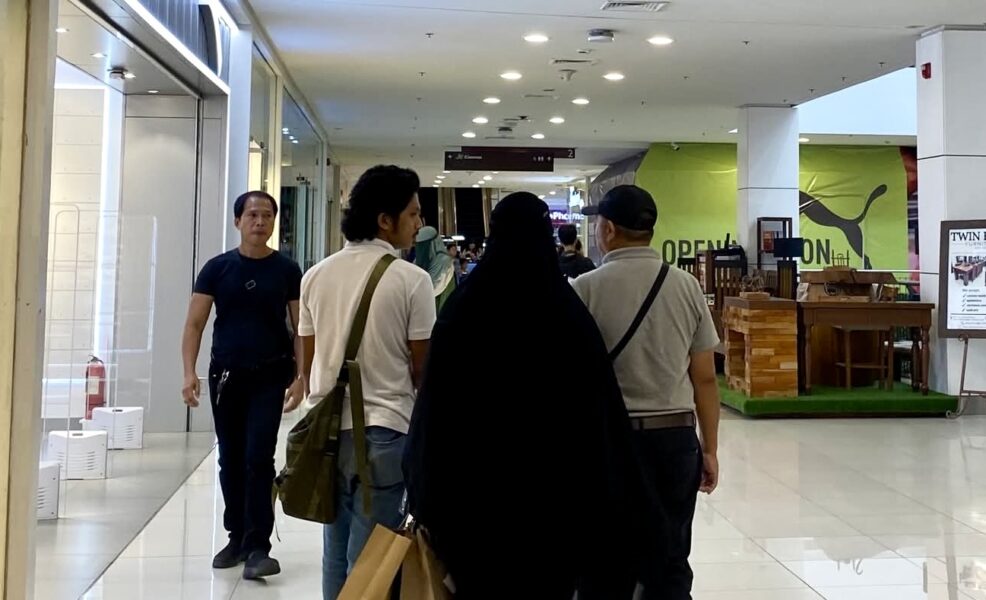
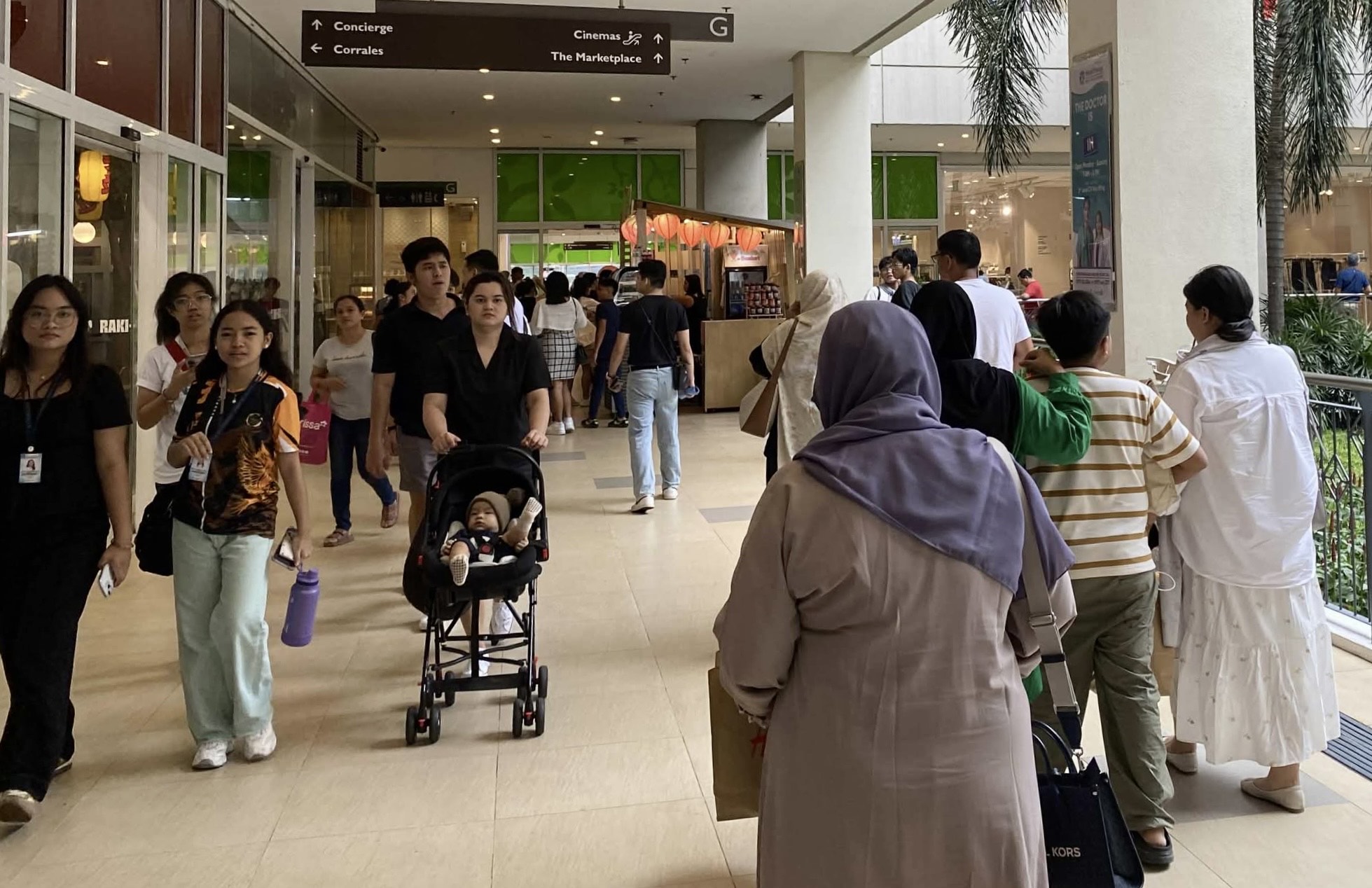
For other Muslim women living in Cagayan de Oro, wearing a hijab on a random day can attract unwanted stares, as if they are being examined for doing something wrong.
In a city branded as the “City of Golden Friendship,” such moments betray a painful truth: for many Moros and Indigenous Peoples (IPs), that friendship often has limits.
The recent backlash against former Misamis Oriental Gov. Peter Unabia’s anti-Muslim remarks in a public speech reignited conversations about long-standing discrimination.
Cagayan de Oro’s city council condemned the speech, calling it a “deliberate attack” on the dignity of Muslim citizens. Still, many question whether public apologies are enough.
In Marawi, the wounds of martial law and the 2017 siege remain fresh.
To this day, communities displaced by the siege are still rebuilding their lives — and their trust in public institutions.
For the region’s Indigenous Peoples, visibility in governance has improved through the Indigenous Peoples Mandatory Representative (IPMR) system.
But discrimination has simply evolved, not disappeared.
“In terms of governance, we now have mechanisms like the IPMR. Elders select one among them to represent the tribe,” said Fundador S. Binahon Jr., a Bukidnon native and regional director of the National Commission on Indigenous Peoples (NCIP) in Cagayan de Oro.
The NCIP supports IP students through a P12,500-per-semester educational assistance program and provides culturally responsive education in remote barangays.
These programs aim to preserve indigenous languages and traditions — but they face an uphill battle.
Binahon remains hopeful, citing visible changes across the region.
“Before, halos wala kang makitang Moro or IP in leadership roles. Ngayon, they’re in positions of power. Even in tourism, halal food is being promoted. Representation is improving,” he said.
He added that when discrimination cases reach their office, the NCIP issues public advisories to denounce the actions and call for institutional accountability.
From landlords silently rejecting Muslim tenants, to elders abandoning crafts out of internalized shame, to public leaders spewing unchecked prejudice — discrimination in Mindanao is not always loud, but it is alive.
If Cagayan de Oro wants to live up to its name, it must listen to voices like Sittie Allysa’s — not just in outrage, but in policy, protection, and everyday spaces.
This is because friendship isn’t real if it excludes. And inclusion means nothing if it’s only symbolic.