PROSECUTORS and advocates here are leading the Philippines’ fight against child trafficking and online sexual abuse — crimes that, law enforcers warn, are evolving faster than the systems built to stop them.
The city, part of a tri-city initiative with Iligan and Ozamiz to establish justice zones dedicated to online sexual abuse or exploitation of children (OSAEC) cases, continues to prosecute offenders even amid the digital shift of trafficking operations.
“It fuels us to do more,” said Cagayan de Oro City Prosecutor Charisse Galarrita-Bitoon, who described the daily challenges of handling OSAEC and child trafficking cases.
Defense lawyers sometimes obstruct or even restrain witnesses, she added.
“Many of our victims are retraumatized by the process itself,” Bitoon pointed out.
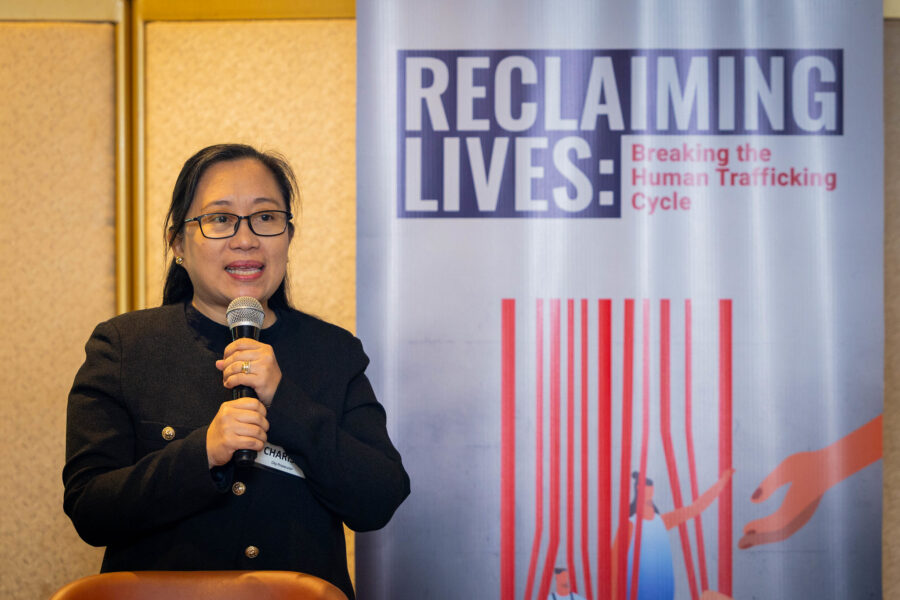
Bitoon cited the landmark Peter Gerald Scully case, a notorious instance of livestreamed child sexual abuse filmed in the city.
“That case showed us the depths of this crime and how vital it is to build trauma-informed systems,” she said, asking if these children have truly reclaimed their lives.
The International Justice Mission (IJM), which partners with local and national anti-child abuse advocates, said Cagayan de Oro’s experience reflects national progress and persistent dangers.
Rebelander Basilan of IJM noted that child trafficking remains a generational and community-level issue.
“We’ve seen a 72 percent reduction in Cebu and 75 percent in Manila. But we must continue strengthening the justice system to rescue and restore victims—and bring criminals to justice,” Basilan said.
According to IJM’s Scale of Harm Study (2022), nearly half a million Filipino children have been trafficked to produce sexual abuse materials. The average victim is 11 years old, with some as young as two. About 41 percent of traffickers are biological parents, while another 42 percent are relatives.
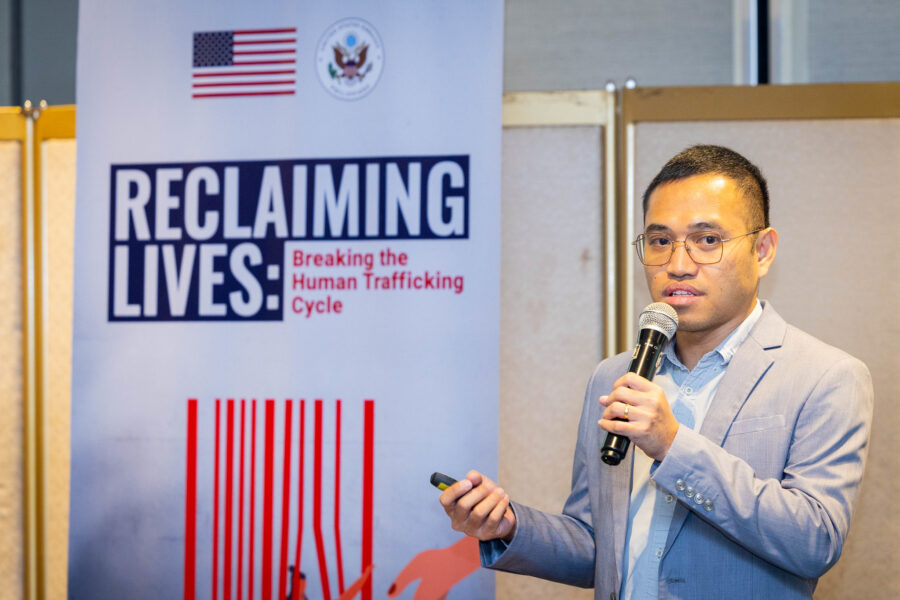
“These abuses often happen inside their own homes. It’s done in secrecy, motivated by the lure of easy money,” Basilan said.
He pointed out the need to refer to such materials as “child abuse materials,” not pornography, to reflect the crime’s true nature.
To make OSAEC risky for offenders, IJM supports local governments in passing ordinances and raising awareness.
As of August 2025, 11 local governments have enacted anti-OSAEC laws, driven by stronger community vigilance.
“Watch out for red flags — children frequenting a particular house, sudden changes in lifestyle, or regular trips to money service centers,” Basilan said.
He also urged the news media to “help us break the culture of silence.”
While local prosecutors pursue justice on the ground, national authorities are battling organized trafficking networks that have moved online.
The Inter-Agency Council Against Trafficking (IACAT) said online sexual exploitation of children is now the most common form of trafficking in the country, followed by online scam hubs and cross-border trafficking.
“Regardless of ranking, we have to stop human trafficking,” said Atty. Hannah Lizette Manalili, IACAT executive director, noting that the council has already filed administrative and criminal charges against complicit officials, including local executives, immigration officers, and public school personnel.
Manalili admitted that technology complicates the fight.

“It’s hard to trace right now because it is online-based na,” she said, citing traffickers’ use of Telegram channels and encrypted platforms.
The IACAT is intensifying efforts through prevention campaigns, stronger law enforcement, and international collaboration.
The Philippines currently leads the Association of Southeast Asian Nations (Asean) Senior Officials Meeting on Transnational Crime for trafficking in persons.
A U.S. Embassy official also highlighted joint initiatives with Philippine agencies, including the “Blue Campaign,” which trains officers to recognize trafficking indicators and emphasizes a victim-centered approach.
“It takes a network to defeat a network,” the official said, citing partnerships among the U.S., Australia, Germany, the Netherlands, and the Philippines to combat online child abuse and exploitation.
In Cagayan de Oro, community vigilance remains crucial.
Bitoon said even neighborhood gossip circles — known locally as ‘Marites’ — help flag suspicious behavior.
“They’ve become our unexpected allies. Every report, every witness, every child we rescue — it all counts,” she said.