By Reem B. Pandapatan,
Eman D. Pangcatan,
Princess Haynee B. Pangcatan
MSU Interns
DESPITE its reputation as a cultural melting pot, Cagayan de Oro continues to face subtle yet persistent issues of bias, exclusion and inequality beneath its welcoming faḉade.
The city, home to diverse Muslim communities, Indigenous Lumad groups and LGBTQ+ residents, reflects Mindanao’s cultural richness.
However, this image of inclusivity often conceals a more complex reality marked by unspoken prejudice and entrenched social hierarchies.
Discrimination, defined as unfair treatment based on race, religion, gender or sexual orientation, and bigotry, a deep-seated intolerance, continue to influence the daily experiences of many residents, whether overtly or subtly.
For Lumad individuals, visible Indigenous identity in an urban setting often leads to navigating harmful assumptions. Stereotypes about being uneducated or primitive frequently surface in schools and public areas, pressuring them to constantly “prove” their worth or belonging.
Discrimination also manifests in quieter forms, such as suspicious glances or hesitant gestures, fostering a persistent sense of being “othered.”
Muslim women wearing the hijab, for instance, often encounter silent scrutiny in stores or on public transport. While not open hostility, these instances serve as reminders of how difference can become a target of bias.
Religious diversity in the city does not always translate to equal treatment. Members of smaller Christian denominations sometimes face exclusion from interfaith events, with legitimacy seemingly reserved for larger institutions.

Similarly, Catholics who incorporate traditional folk beliefs into their practice may experience ridicule or dismissal, even from within their own faith communities.
LGBTQ+ individuals, regardless of their religious affiliation, frequently experience dual discrimination. Many feel compelled to conceal or downplay their identities to maintain safety or a sense of belonging. This internal conflict between faith and selfhood reflects a broader societal discomfort with fluid or non-conforming identities.
The city’s culture of politeness exacerbates these challenges. A strong emphasis on hospitality and harmony often discourages confrontation, making it difficult to address injustices when they occur. However, silence should not be mistaken for equality.
Encouragingly, some progress is being made.
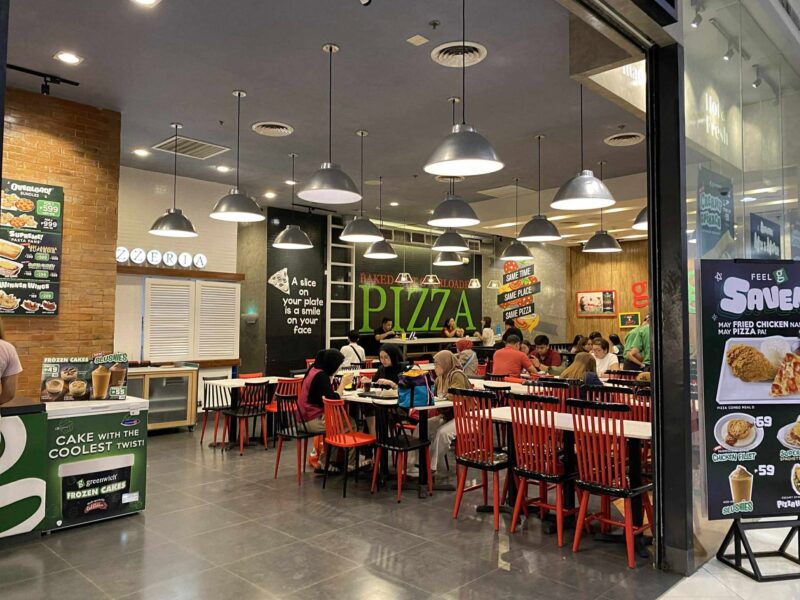
A growing number of Cagayan de Oro schools are incorporating peace education and cultural sensitivity into their curricula. Local nonprofits and youth-led groups are also organizing interfaith and intercultural forums to foster understanding across communities.
Nevertheless, more work is needed.
Inclusion demands more than passive acceptance; it requires active engagement, unlearning biases and confronting them directly. Whether in classrooms, public transportation, offices or places of worship, residents are called not just to coexist but to genuinely care.
Cagayan de Oro prides itself as the ‘City of Golden Friendship.’ Yet, true friendship extends beyond kindness. It necessitates confronting discrimination, addressing inequality and building a city where diversity is not merely acknowledged but celebrated.
At its core, inclusion is not simply about being welcome; it is about being treated with dignity. In a city renowned for its warmth, dignity should always be abundant.