By Erwin M. Mascariñas
Contributor
IN Agusan del Sur, the vibrant rhythms of celebration fill the air every June 12 to 17. But for the province’s indigenous communities, the Naliyagan Festival is more than a week of music and festivities — it is an act of cultural remembrance.
Now in its 33rd year and coinciding with the province’s 58th founding anniversary, the festival has become a grand convergence of heritage, especially for the four major indigenous tribes: the Manobo, Higaonon, Banwaon, and Talaandig.
Agusan del Sur Gov. Santiago Cane Jr. noted that the festival’s name is derived from the Agusan Manobo word liyag, meaning “love” or “like.” Naliyagan roughly translates to “the chosen one” or “the most beloved.”
“With the Naliyagan Festival, our cultural stories, songs, dances, and beliefs are not mere echoes of the past — they are the living heart of who we are as Agusanons, grounding our identities and guiding our path forward,” Cane said.
He emphasized that the celebration is not only about culture, but also about honoring the life and love rooted in the province’s indigenous origins.
The opening day, June 12 — also recognized as Indigenous Peoples Day in the province — transforms the festival grounds at the capitol complex in Prosperidad into a vibrant showcase of indigenous culture.
Tribal members participate in a multi-day event called the Tribalympics — a fusion of “tribe” and “Olympics” — featuring traditional games and practices.

Delegations from all 13 municipalities and the lone city of Agusan del Sur take part.
The goal, according to Provincial Indigenous Peoples Mandatory Representative Pablo Plaza, is not just entertainment but a reenactment of customs that defined life in the highlands long before modern tools and roads arrived.
“The Tribalympics is our way of showing how we replicate the cultural practices of the indigenous people from long ago. What you see here are examples of those games played in the mountains, in the absence of modern convenience,” Plaza said.
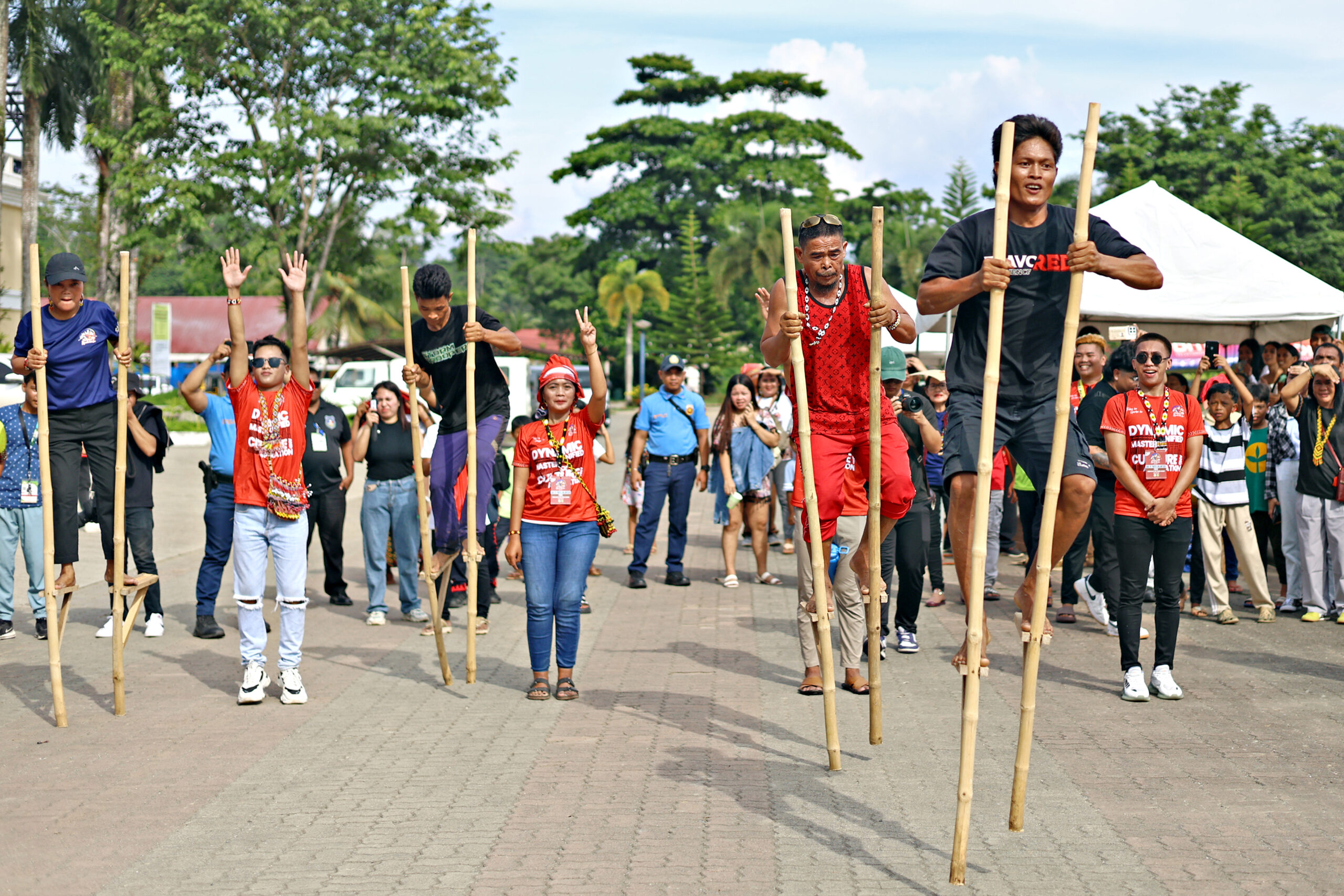
One event is kadang, a balancing race on stilts carved from branches or slim tree trunks, with footrests attached a few inches from the bottom. The game tests both agility and strength.
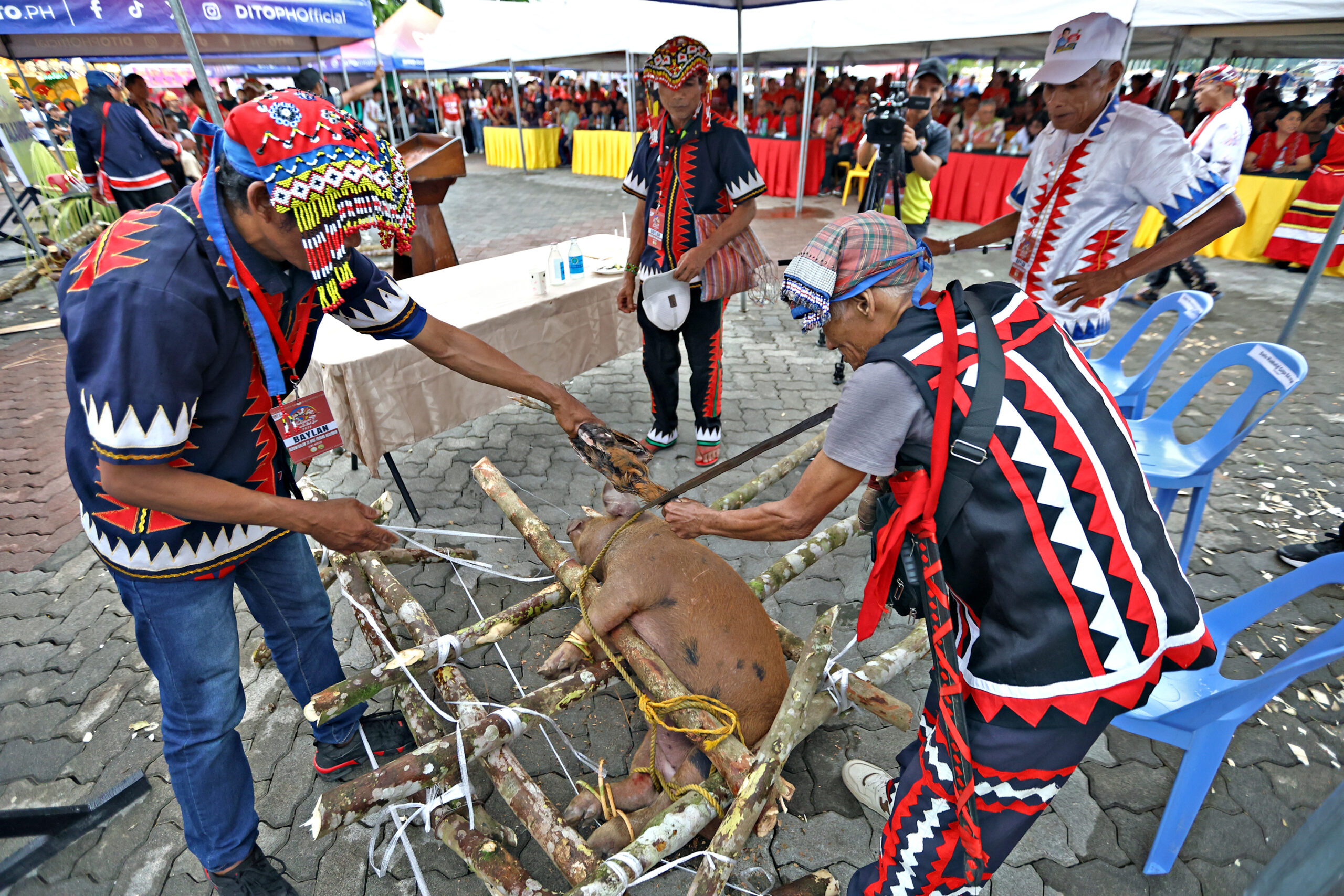
Another demonstration features gutgutan, a traditional fire-starting method used before matches or lighters existed.
Also part of the festivities is a rooster fight — commonly held during tribal celebrations, even for simple occasions. In these gatherings, the losing roosters often become part of the communal meal.
The spear-throwing competition has participants aiming at a rolling tire symbolizing a wild boar, mimicking the ancient hunting techniques once used by tribal leaders, or datu.
“There were no guns back then. Spearing was a talent. It was passed down. And it still exists in many towns,” Plaza said.
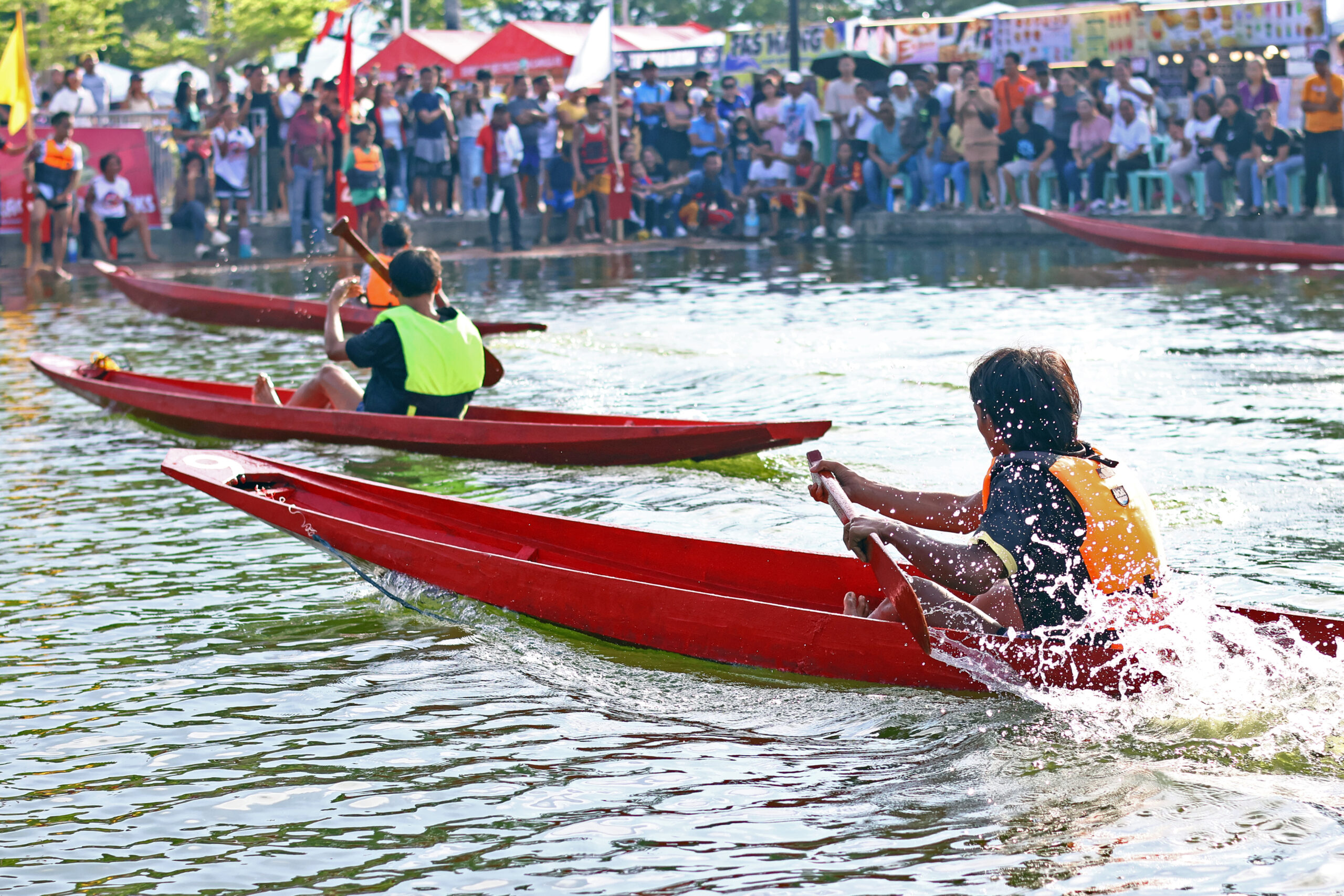
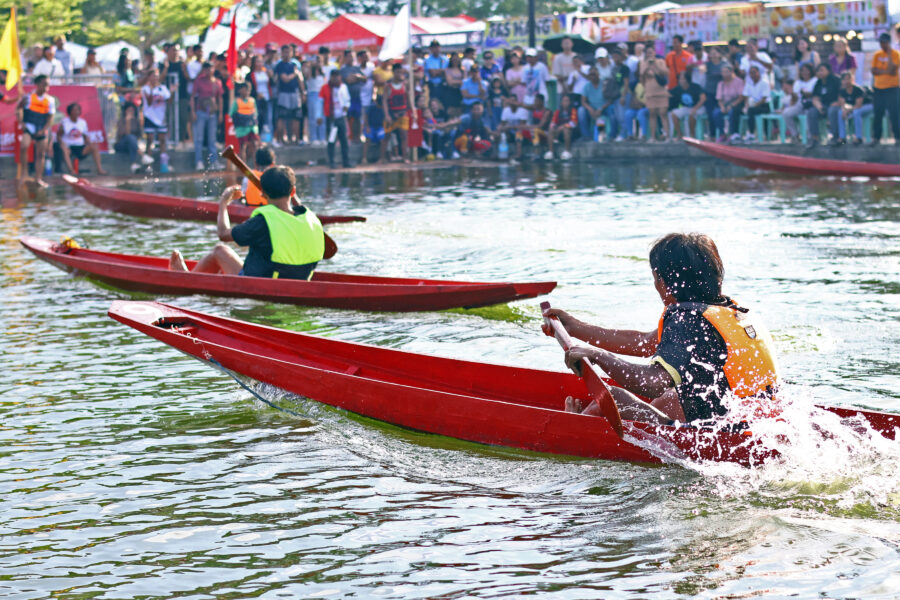
Along the man-made lagoon at the festival site, another cultural tradition comes alive: the bauto race, featuring dugout canoes. Before roads reached many areas of Agusan del Sur, these boats were the primary mode of transportation.
“Even our former governors had to visit us by boat. This was how we moved produce, how we went home from the fields. The Agusan River was our highway,” Plaza said.
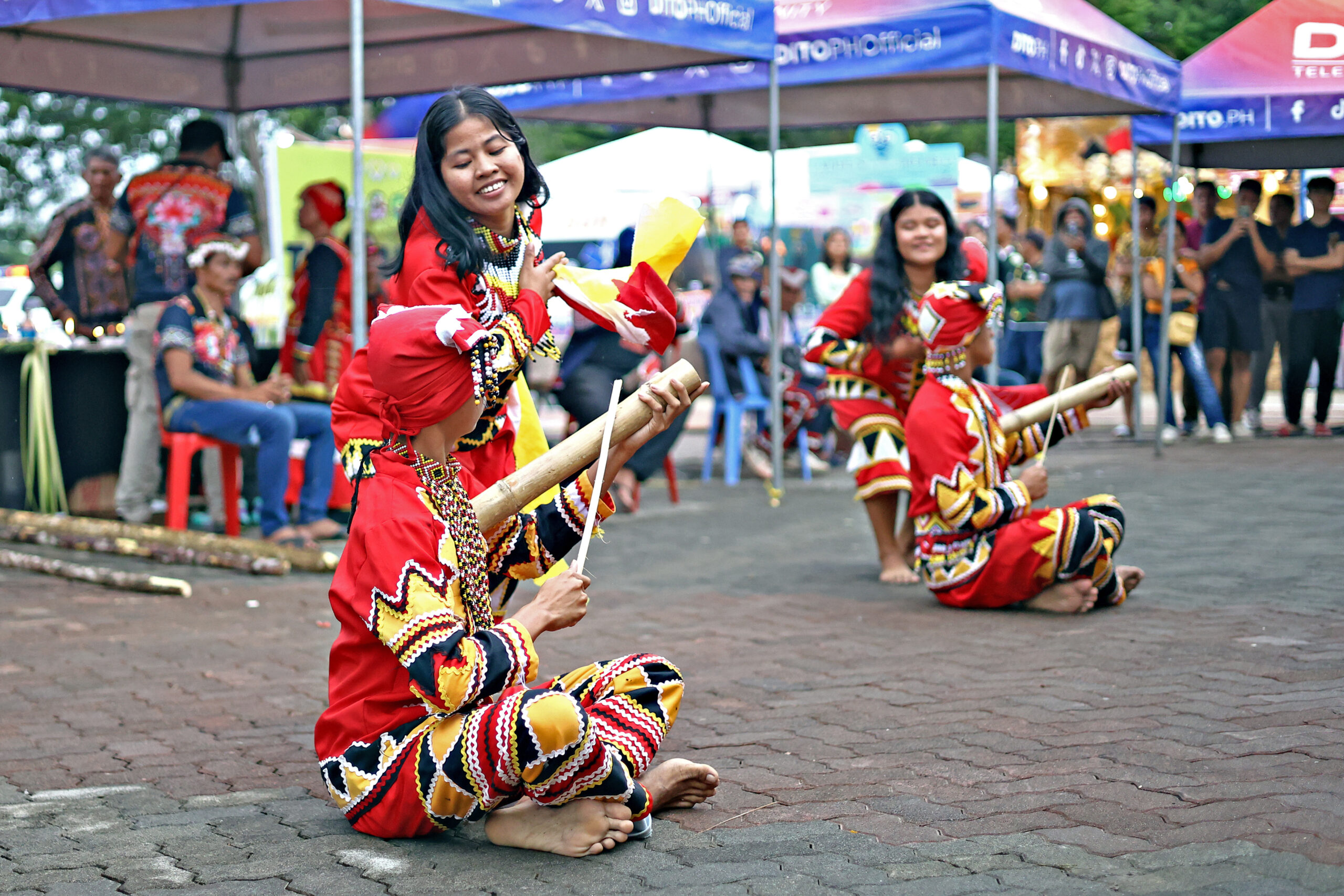
For the Manobo, Higaonon, Banwaon, and Talaandig, the Naliyagan Festival is not just about remembering the past — it’s about claiming space in the present.
“This is about identity. The goal is truly to preserve the cultures of Agusan del Sur. What you must do is remember that tribal blood runs in your veins. No matter what you do, that is your heritage. We must accept where we come from,” Plaza said.