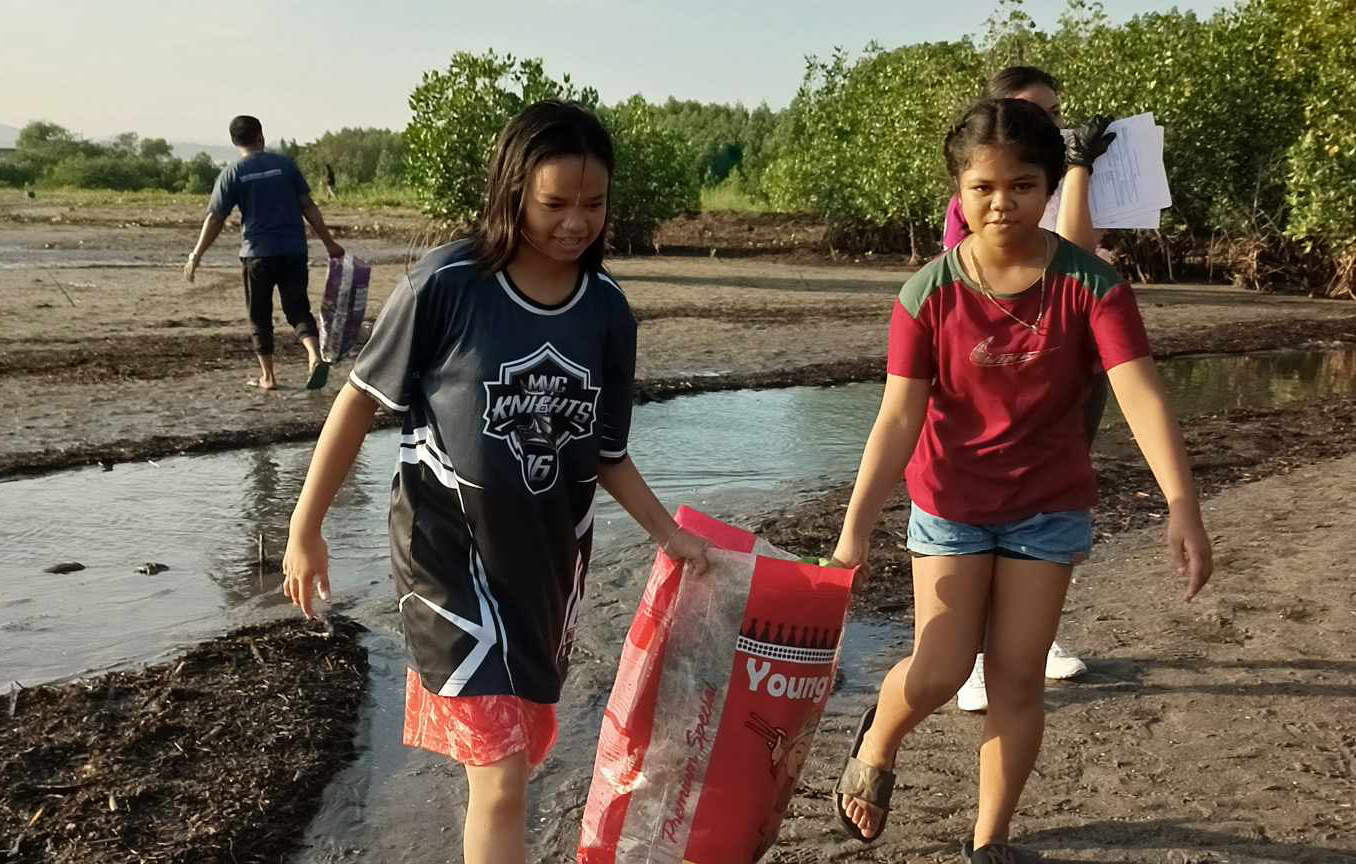
OVER a thousand concerned individuals swooped down at least eleven coastal barangays in Cagayan de Oro City on Saturday morning, September 21 to declog its shorelines and dirty surroundings of plastic materials among other existing environmental enemies.
In line with this year’s International Coastal Clean Up, the meaningful activity was undertaken along the coastal barangays of Puerto, Bugo, Tablon, Agusan, Cugman, Gusa, Lapasan, Macabalan, Bonbon, Bayabas, and Bulua belonging to the Macajalar Bay.
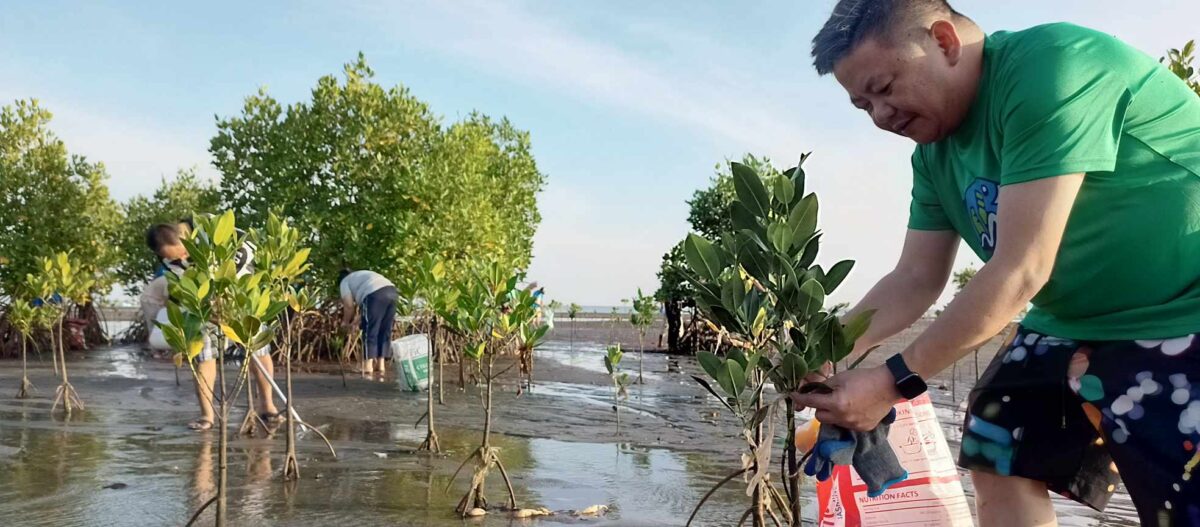
In Barangay Bonbon alone, which had just celebrated its annual TambaNipa Festival, its Council and Barangay Staff spearheaded over nine community, private, and government groups such as Couples for Christ, Bonbon National High School, Department of Agriculture, Cagayan de Oro College, Department of Education, Social Security System, Oro Integrated Cooperative and other participating non-coastal barangays, and City Local Environment and Natural Resources Office (Clenro) personnel in unleashing its protective might along the vulnerable Mangrove Plantation Area, which is more than one-hectare long between the boundaries of Bonbon and Macabalan.
“Let us stop abusing the use of plastic materials nga dili gakahilis for the sake of our environment ilabi na kanamo nga nanimuyo sa coastal area,” said Bonbon Kagawad and environment focal person Jerome Sambaan, adding in jest: “girls, girls please undangi na ninyo paggamit sa mga one-use nga sashe sa shampoo ug uban pa kay kon malabay dili kana gaka dugta.”
In a further talk with Gold Star Daily, Sambaan, however, wondered how far this kind of activity would make sense considering the wanton production of cellophane and plastic materials by the country’s multi-million companies.
“Pero ga-limit na ‘mi karon pag gamit sa plastic as putos sa among paninda kay adunay penalty as per warning by our barangay chairwoman Lelit Baal-Molina,” shared one Bonbon Sari-Sari Store owner in a casual conversation with this writer.
To MLG Advertising agent Louie Gamit, who tediously unwrapped young Mangrove plants with plastic waste choking up their branches, partaking in the clean-up drive is also quite reflective of both the positive and negative sides of human relationships.
“Kita man gud nga mga tao duolonon kaayo sa plastic nga mga higala ug ka relasyon. Sama niining linghod nga mangrove nga naka ginhawa ra gyod sa atong gibuhat. Busa aron molambo, tanggalon nato ang mga plastic sa atong kinabuhi,” was Gamit’s unique analogy.
Engineer II Lemuel Cabahit of the Department of Environment and Natural Resources explained that it’s essential to segregate the non-biodegradable waste so they can evaluate and identify the manufacturers of major pollutants in the city’s coastal areas.
“We have to account them for their corporate responsibility based unya sa atong data nga ma gather kon kinsa kining mga salarin nga nagadala og toxic waste sa atong kinaiyahan,” Cabahit said.
Admin officer II Kristy Karylle Batistil from the Finance division of the DENR said it has been alarming to note that the Philippines now ranked No. 3 as having the most polluted seawater according to the latest worldwide survey.
“We’ve been also here in Mangrove area of Bonbon last May, pero mas daghan nga sako sa waste materials kadaghanan mga panapton ang atong nahipos karon. These will be evaluated pending appropriate action sa sunod nato nga pagahimoon,” Batistil said.