DISASTER management officials across Mindanao are opposing a proposed P2-3 billion Mindanao Disaster Resilience and Resource Center, arguing the project is redundant and the funds would be better spent on local needs.
Officials from various provinces have voiced a unified sentiment, stating the massive budget should be reallocated to address critical deficiencies in local governments.
They contend that a new regional hub would duplicate existing provincial and municipal disaster response systems.
“Instead of creating one in MinDA, the budget should be allocated to DRRMOs in LGUs,” one official noted.
This was echoed by another from Surigao del Sur, who pointed out: “There is already a disaster response system in place in provinces down to municipalities.”
The officials’ concerns are rooted in the lack of essential resources at the community level.
A provincial disaster risk reduction officer in Davao del Norte highlighted the urgent need for standard evacuation centers, stating that the current practice of using flood-prone schools and gyms as temporary shelters is insufficient and dangerous.
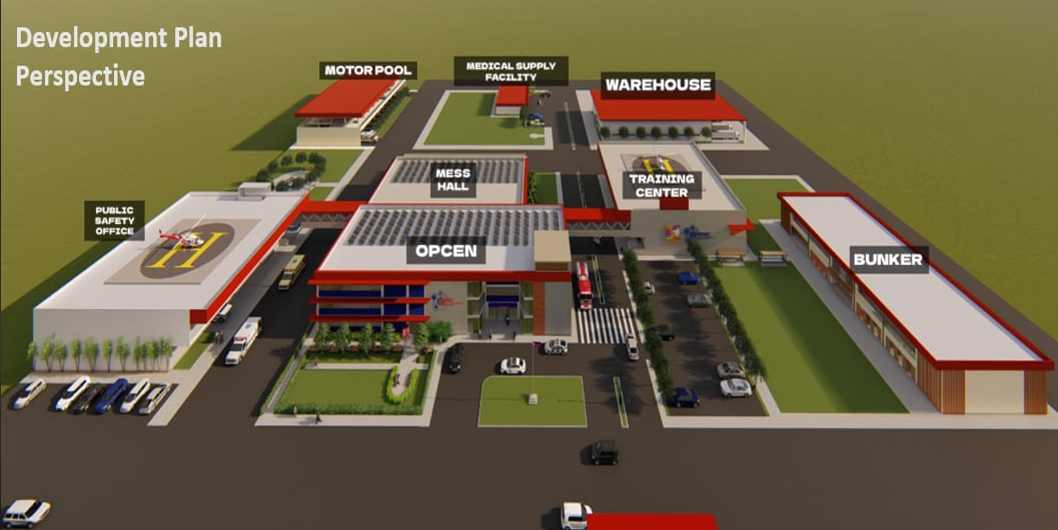
The officer estimated that a single standard evacuation center costs up to P50 million, suggesting the proposed hub’s budget could instead fund dozens of these facilities.
This perspective is reinforced at the grassroots level.
A member of a barangay DRRMO in Tagum City said the hub is not a primary need and the funds should be used for projects closer to flooded areas.
The officials are advocating for a more practical and impactful approach, urging the government to strengthen the existing local government framework, as mandated by the Philippine Disaster Risk Reduction and Management Act of 2010.
They believe the most effective use of resources would be to build standard evacuation centers, procure essential rescue equipment, and provide better training for community-level volunteers.
The consensus from these officials is clear: the funds for the regional hub should be repurposed to empower local communities and their “frontliners,” who are the first to respond when disaster strikes.