By Princess Haynee B. Pangcatan
MSU Intern
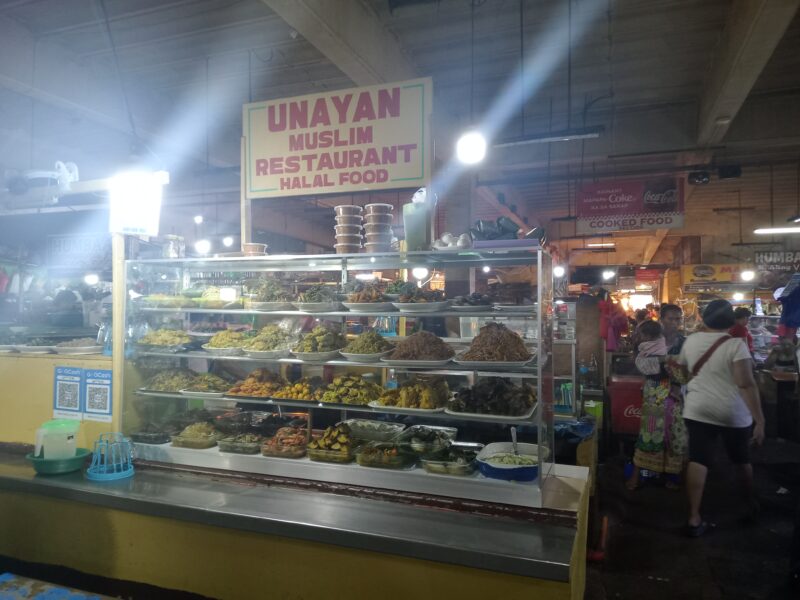
AS Cagayan de Oro becomes more diverse, Unitop Mall in Cogon offers a taste of Meranaw culture, with Muslim restaurants serving as vibrant expressions of identity, heritage and resilience through their cuisine.
“Food from home. Secured ka na halal food talaga ang andito,” said Junaira Mawlana, owner of Unayan Muslim Restaurant, when asked what makes Meranaw food stand out.
Mawlana took over the restaurant in 2022; it had been operating since 2007.
Like many Meranaw eateries in the city, her establishment serves as a home away from home for displaced families, students and curious locals.
Best-sellers include native chicken, tilapia a inaluban (cooked in coconut milk) and kinilaw, served with palapa — a spiced condiment that adds heat and authenticity.
“Yong palapa, pinakatype talaga nila,” she shared. Palapa is a sweet and spicy condiment used as an ingredient in certain dishes and is reportedly a top seller among Meranaw restaurants in the city.
Across the same area, Taraka-Madalum Eatery draws lunchtime crowds with its flavorful dishes and free soup. Owner Nobaisa Lali, who took over management in 2023, has observed a growing appreciation among non-Muslim Kagay-anons.
“Masarap daw. Gustong gusto nila 'yong free palapa and sabaw,” she said.
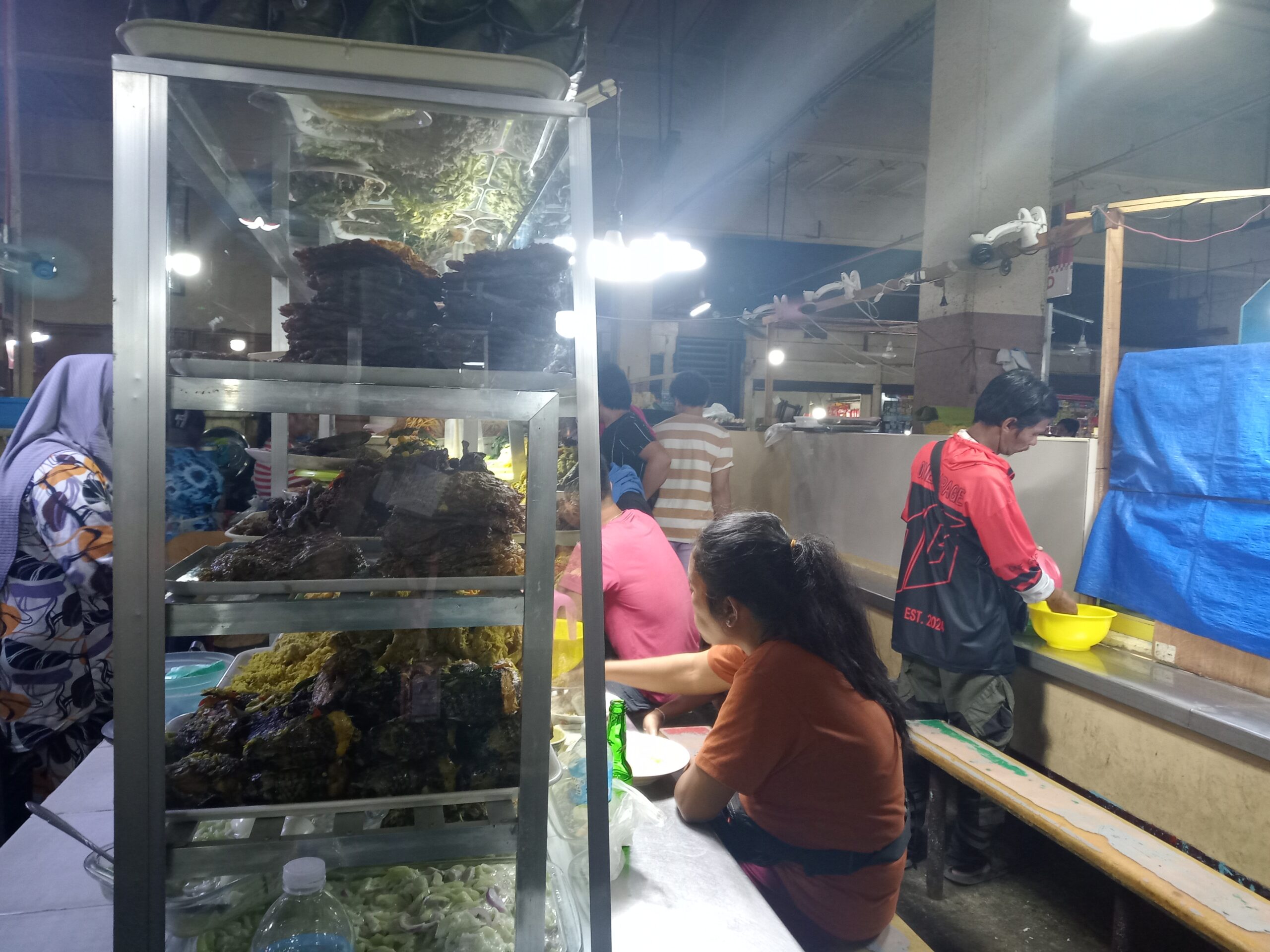
For Lali, the appeal of Meranaw cuisine lies in its affordability and clean preparation. “Mas mura ‘yong presyo ng pagkain dito. Malinis din.”
During peak days, her earnings can exceed P10,000. On slower days, they manage about P8,000 — still enough to sustain operations and support their families.
Marantao Muslim Restaurant, one of the older establishments in the area, is run by Musrifah Alonto, who also took ownership in 2023. Despite being new to the business world, Alonto is proud of the eatery's progress.
“Maraming pagpipilian na pagkain dito — kumpleto na rin, lahat ng gulay makikita mo,” she said. For her, food is not only a source of income but a bridge that connects cultures.
Running a restaurant, however, is not without challenges. All three owners admitted to occasional losses, especially during off-peak seasons.
“Pag mingaw, maliit lang ang customer. May times na nakakapagtapal,” Mawlana said.
The upswing typically occurs during board exam seasons, oath-taking ceremonies or after the Hajj pilgrimage, when families gather to celebrate.
Aside from day-to-day expenses like water bills (around P2,000 monthly) and furniture rentals (P1,000 per month for chairs), there are also annual business permits that cost upward of P10,000 — an investment in both legitimacy and survival.
Still, the rewards extend beyond the financial. For Alonto, the restaurant has become a way to support her siblings’ education and help her parents. “Wala pa akong anak pero nakakatulong ako sa pamilya.”
With more Meranaw eateries emerging in Cogon over the past few years, these establishments are gradually changing the city’s culinary landscape. As more Kagay-anons — regardless of religion — learn to appreciate Meranaw food, a quiet form of cultural understanding begins to grow.
“Mura na, mabubusog ka pa,” Mawlana said, smiling.
And in every spoonful of kinilaw and dollop of palapa, a piece of home is shared with the city.