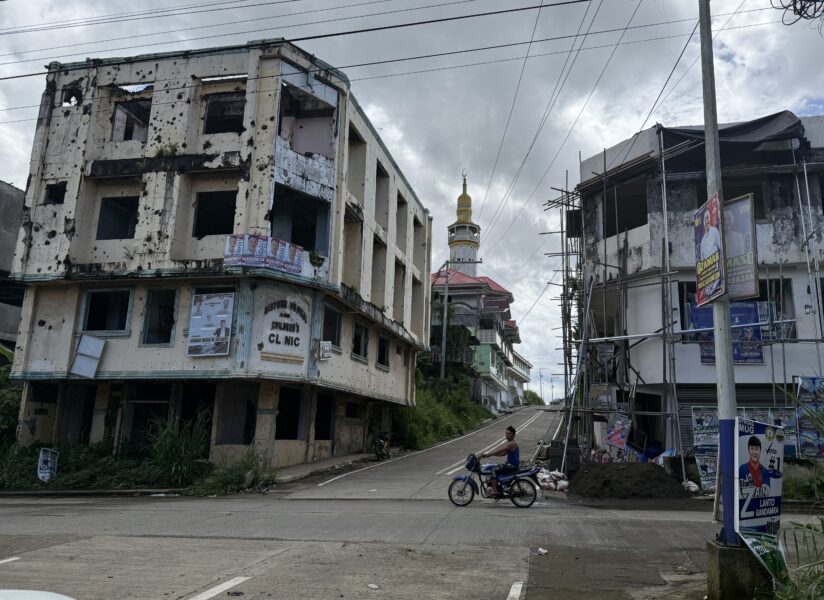
THERE is no longer a trace of the blood-drenched former battleground where the Daesh-inspired Maute group made its last stand against government forces in the Padian area of Marawi City eight years ago.
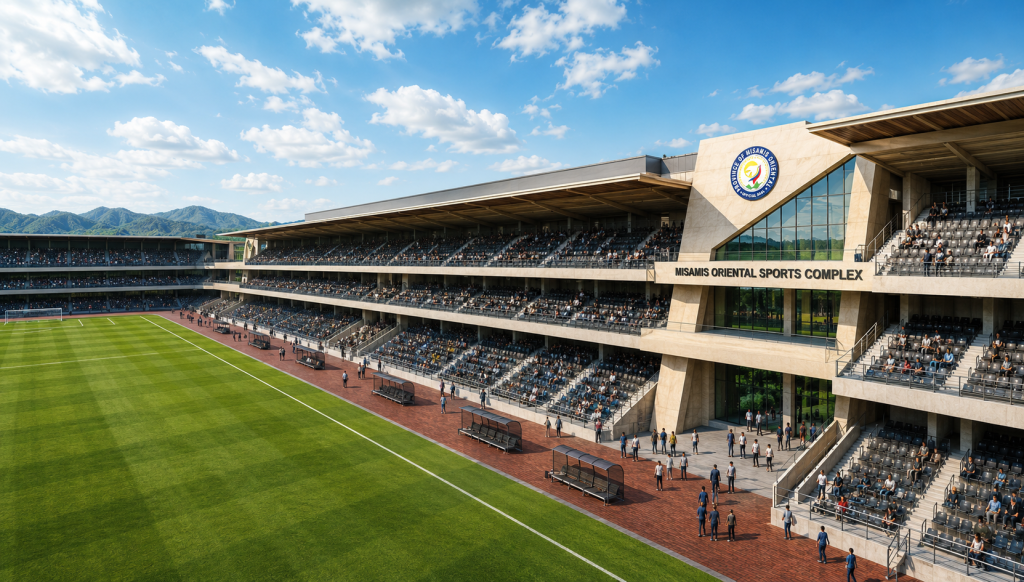
The bombed-out buildings, blood-soaked mud and stench of gunpowder have been replaced by newly constructed government facilities such as the Sarimanok Sports Stadium and a convention center. Once-debris-filled streets have been rebuilt into new roads.
New barangay complexes were constructed for Barangays East Marinaut, Banggolo, Lumbaya Madaya and Dansalan. Even the ruins of the Bato Ali Mosque, where the Maute rebels held Father Teresito ‘Chito’ Suganob and other hostages, have been replaced with a newly built structure.
Its bullet-riddled minaret was relocated to nearby Rizal Park in Barangay Dansalan and now stands as the centerpiece of the Marawi Peace Memorial Park — a tribute to the resilience of Marawi residents and a symbol of hope for the future.
Amenodin Cali, executive director of the Kalimudan sa Ranao Foundation, a nongovernmental organization, said the government completed the construction of facilities in 2023, but they remain inaccessible to many residents.
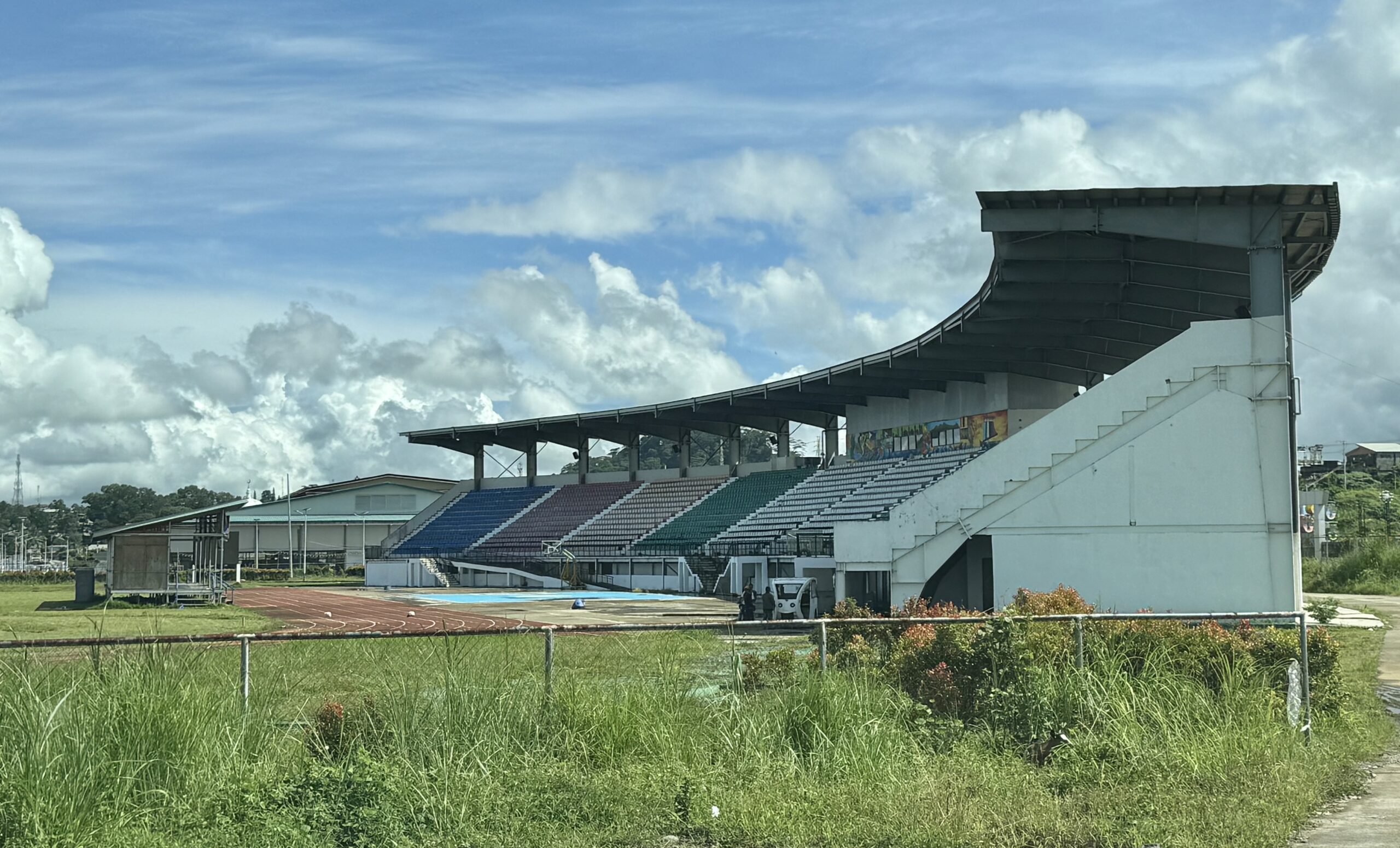
“Many residents, especially those in the Padian area, found their houses and properties replaced by these government buildings,” Cali said.
He said that before the Marawi siege, the Padian area was a bustling public market filled with stores and teeming with shoppers.
In addition to wanting to regain their homes and properties, residents are concerned about the slow and tedious processing of their claims by the Marawi Compensation Board (MCB).
“We are also concerned by the leadership change at the MCB. What does it mean to us?” Cali said.
In a May 22 Facebook post, the MCB said it has paid out 1.93 billion pesos to 1,124 claimants since it began distributing structural and personal property claims in 2024.
On March 26, lawyer Moslimen Macarambon Sr., a former Commission on Elections commissioner and regional trial court judge, assumed the chairmanship of the MCB, replacing lawyer Maisara Dandamun-Latiph, an appointee of President Ferdinand Marcos Jr.
The International Committee of the Red Cross said more than 8,200 people continue to live in inadequate conditions in temporary shelters across Marawi City.
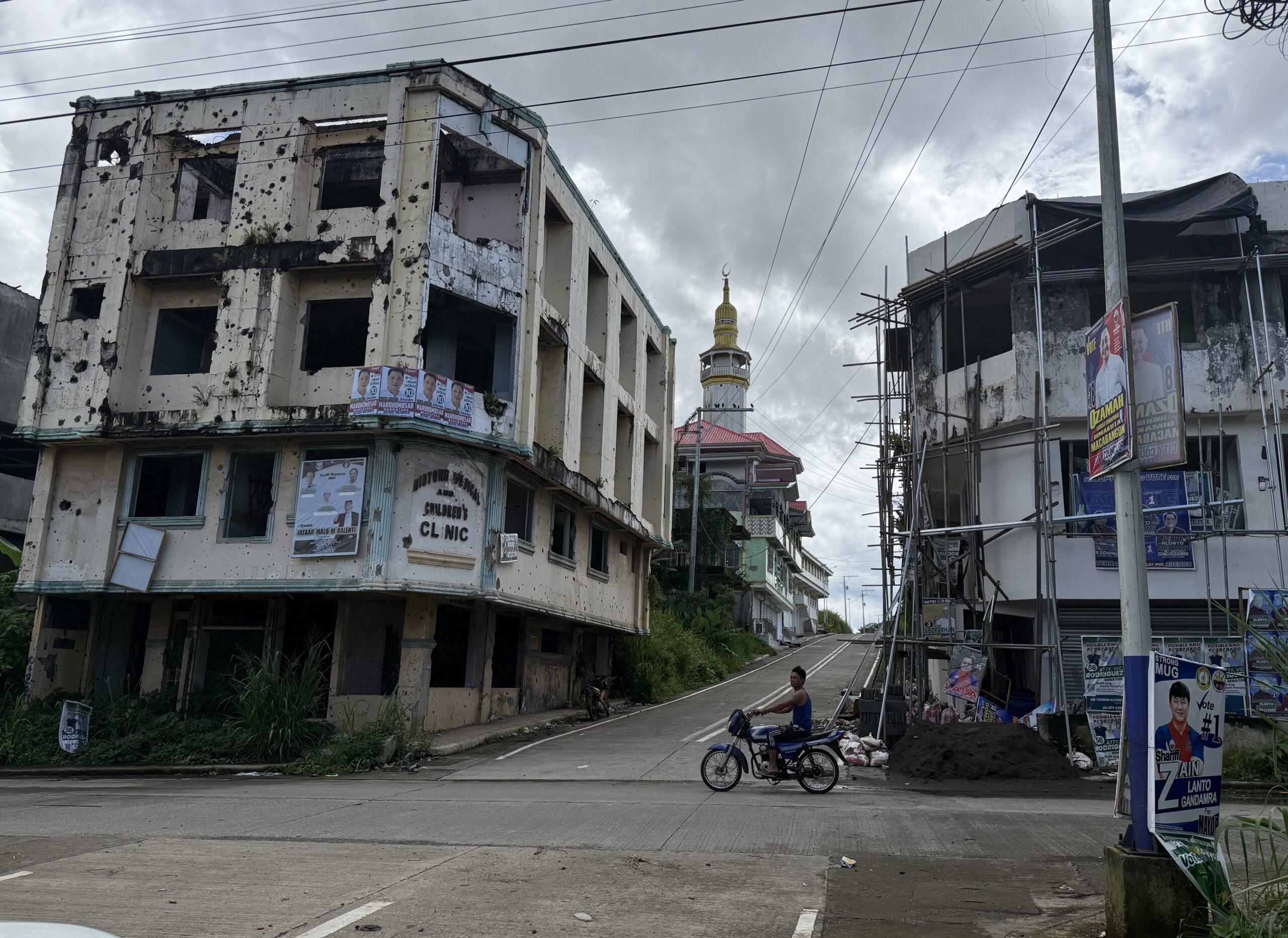
Johannes Bruwer, head of the ICRC in Manila, said many residents lack access to clean water and are now paying rent after government leases with landowners expired.
Bruwer said families of internally displaced persons are now burdened with rent payments for their shelters, placing immense strain on their already difficult circumstances.
He urged newly elected officials and government agencies to hasten the rebuilding process and ensure delivery of basic services to affected residents.
“Eight years is a long time. People have been displaced for far too long. Returning to their neighborhoods is a step toward normalcy and a necessary part of their healing,” Bruwer said in a statement.
Drieza Lininding, head of the Moro Consensus Group, called on government agencies and nongovernmental organizations to revisit Marawi City and assess the implementation of the Marawi Compensation Board, as well as the current conditions of displaced residents.
Lininding said frustration is growing over how agencies under President Marcos are handling issues concerning the displaced population.