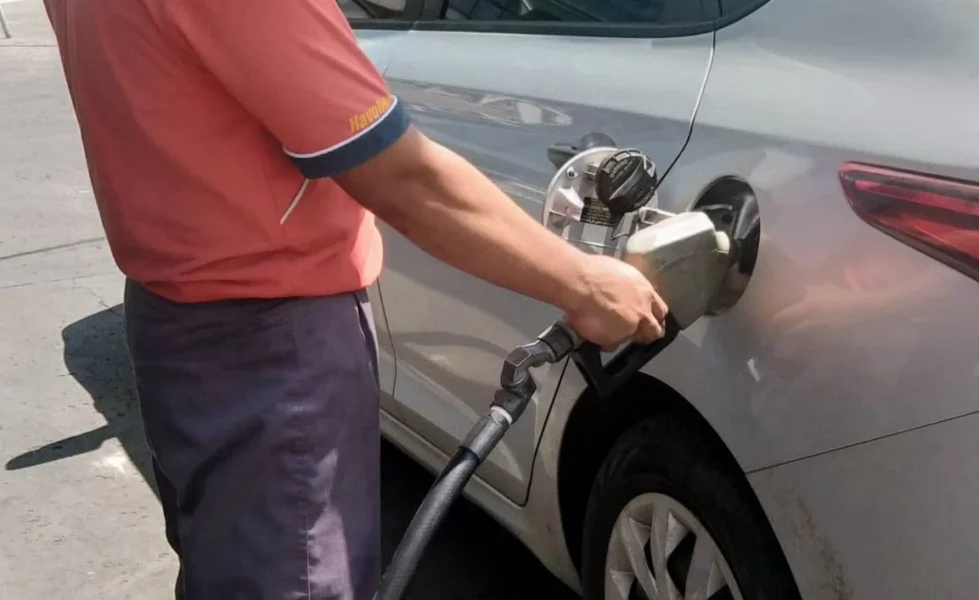
CAGAYAN DE ORO CITY – A veteran local businessman is sounding the alarm on potential fuel hoarding, urging the city government to implement early rationing of petroleum products to stave off an imminent economic crisis as hostilities in the Middle East escalate.
“As we speak, there are people who are hoarding,” long-time businessman George Goking warned. He suggested that local officials must immediately apply the logistical lessons learned during the recent health crisis to the current global conflict.
“We can use our experience with the Covid-19 pandemic that we can apply sa Middle East war,” Goking told Gold Star Daily, adding that just like during the pandemic, the overall crisis will start with a squeeze on petroleum products.
He urged City Hall to proactively monitor the prices of basic commodities and initiate the rationing of fuel supplies before the situation on the ground worsens.
“City Hall should look at prices of old stocks of goods because a lot of businesses will take advantage of this crisis. Like the pandemic, we don’t have a template response to wars. The city should already be rationing fuel,” said Goking.
Despite these local concerns, the national government has assured the public of sufficient supply. On March 3, President Ferdinand Marcos Jr. announced in a Malacañang press briefing that the country has stockpiles of petroleum products that could last for approximately 50 to 60 days.
According to the President, the exact inventory levels of the country’s reserves are:
- Kerosene: 67.5 days
- Jet Fuel: 58 days
- Gasoline: 51.5 days
- Fuel Oil: 51.5 days
- Diesel: 50.5 days
- LPG: 29 days
These numbers are bolstered by existing national policies. Under Department of Energy Circular No. DC2003-01-001, oil refiners operating in the Philippines are legally required to maintain a minimum inventory requirement of 30 days of supply for crude oil and petroleum products. In the same department circular, non-refiners (bulk suppliers and importers) are required to maintain 15 days of supply and seven days for liquefied petroleum gas (LPG).
However, Goking insists that relying solely on maximum estimates leaves the city vulnerable, especially with panic buying already occurring in certain sectors.
“To play it safe, we need to set our expectations to 30 days. That way we can prepare for any eventuality,” Goking opined.