CAGAYAN DE ORO CITY — A labor group raised concern over the arrest of media personality Jay Sonza, questioning why a reportedly minor offense was marked “non-bailable,” warning it could undermine constitutional protections if left uncorrected.
The Federation of Free Workers (FFW) said the case highlights the risk of misapplying bail rules, particularly when the alleged offense does not meet the legal threshold for non-bailable crimes.
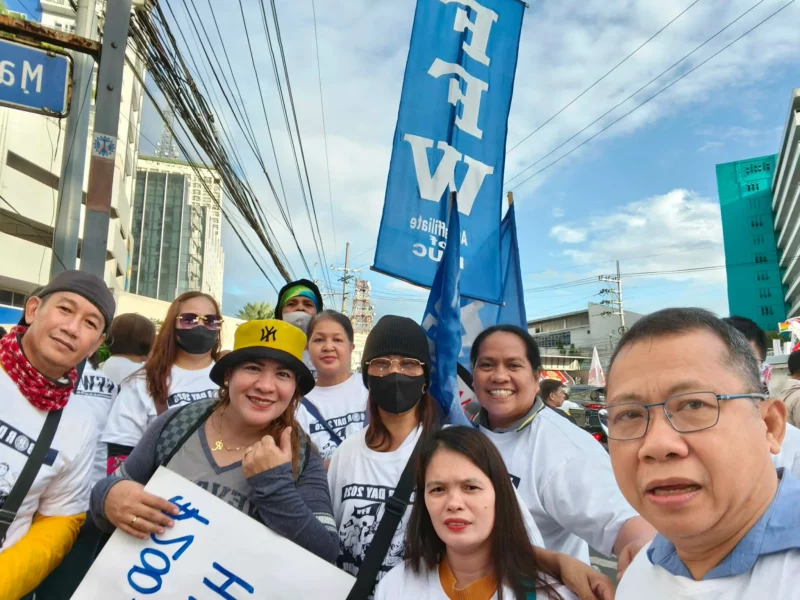
In a statement released May 3, FFW president Sonny Matula said the group is “deeply concerned” over reports that Sonza’s case was marked non-bailable despite penalties that do not reach the threshold required by law.
“Kung hindi kayang protektahan ng Constitution ang pinakakinaiinisan natin, paano tayo makasisiguro na poprotektahan nito ang pinakamabuti sa atin?” Matula said.
Under Article III, Section 13 of the 1987 Constitution, all persons have the right to bail before conviction—except those charged with offenses punishable by reclusion perpetua when evidence of guilt is strong.
FFW noted that the reported charge under Article 154 of the Revised Penal Code, in relation to Republic Act No. 10175, carries penalties ranging from arresto mayor (1 month and 1 day to 6 months) to prision correccional (up to 6 years), even if increased for online commission.
“These do not reach reclusion perpetua,” the group said. “In plain terms: kung hindi reclusion perpetua ang parusa, hindi dapat gawing non-bailable ang kaso. Ang piyansa ay karapatan, hindi pabor.”
Matula outlined key reminders for the public:
Right to bail: If you or a family member is arrested, you generally have the right to apply for bail unless charged with a capital offense.
Check the warrant: Errors in classification (bailable vs. non-bailable) can affect immediate liberty.
Act fast on weekends/holidays: Limited court access may prolong detention.
Seek legal help early: A lawyer can challenge improper “non-bailable” markings.
FFW stressed that rights must apply “kahit sa hindi natin kasundo,” warning that misuse of non-bailable labels can set a precedent affecting workers and critics alike.
“Kapag mali ang marka sa warrant, tao ang nakakulong—hindi papel,” the group said.
Media groups push decriminalization
The incident comes as media organizations nationwide continue to push for the decriminalization of libel and cyberlibel, warning against the use of such laws to weaponize cases against journalists and curtail freedom of expression.
Earlier, the Cagayan de Oro Press Club (COPC) issued a statement opposing a cyberlibel complaint filed against one of its members.
COPC president Hannie Pisos said the club “consistently supports calls to decriminalize libel and cyberlibel,” stressing the need to protect journalists from legal harassment.
Court action
The group noted that a Regional Trial Court judge in Pasay later corrected the error and allowed Sonza to post bail.
While clarifying it is “not a fan” of Sonza’s views, FFW said denying bail for a minor offense “does not reflect well on the justice system” and could send a chilling message to outspoken sectors, including trade unionists.
“If it can happen to one vocal critic, it can happen to others too,” Matula said.