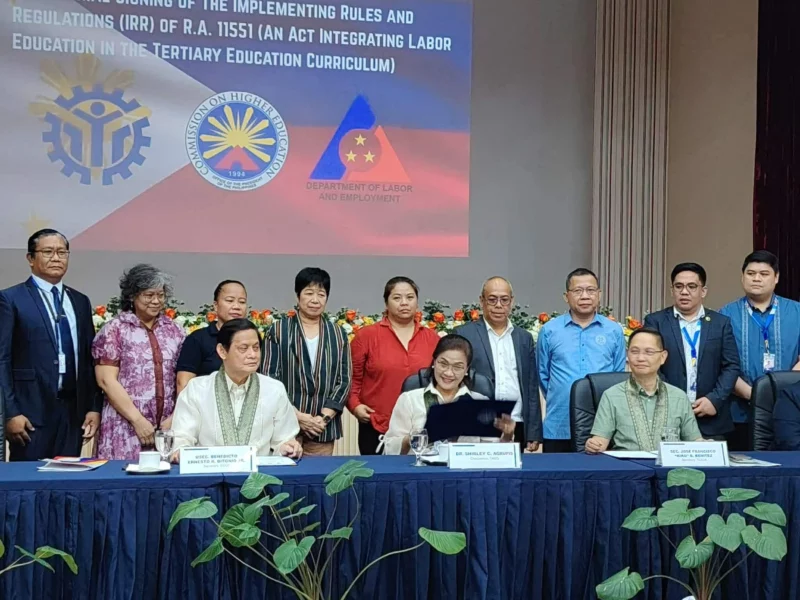
CAGAYAN DE ORO CITY — After nearly five years of waiting, labor groups welcomed the signing of the Implementing Rules and Regulations (IRR) of the Labor Education Act, saying the move could finally help workers better understand and defend their rights in the workplace.
The Federation of Free Workers (FFW) and the Nagkaisa Labor Coalition described the signing of the IRR of Republic Act No. 11551 as a “delayed but decisive step” toward empowering workers through education.
RA 11551, signed into law on May 27, 2021 and effective on June 22, 2021, institutionalizes labor education in colleges, universities, and technical-vocational schools.
The law requires the Commission on Higher Education (CHED) and the Technical Education and Skills Development Authority (TESDA), in consultation with the Department of Labor and Employment (DOLE), to create the IRR within 60 days, or by August 21, 2021.
Read also: Suspend fuel taxes, raise wages — labor group
Labor groups noted that the deadline passed years ago.
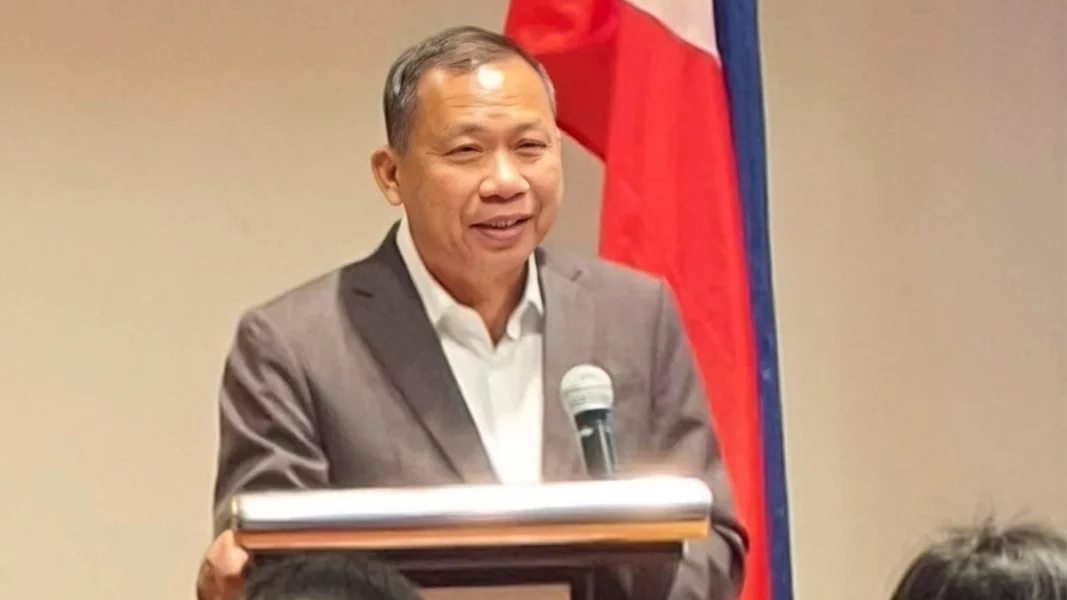
FFW President lawyer Sonny Matula said the delay deprived workers of an important tool for protection and awareness.
“Five years of waiting is too long for a law that should have equipped workers yesterday,” Matula said.
“But today, we choose to move forward. The signing of the IRR is not the finish line—it is the starting signal.”
The law aims to ensure students and future workers understand labor rights, workplace responsibilities, and the value of social dialogue before entering the workforce.
“Labor education is not an academic luxury—it is workplace survival,” Matula said.
“An informed worker is harder to exploit, easier to organize, and more capable of participating in nation-building.”
The groups stressed that the real test will be in implementation, urging CHED, TESDA, and DOLE to ensure labor education becomes a meaningful part of school curricula and technical training—not just a compliance checklist.
“Hindi sa pirma nasusukat ang sustansya ng batas, kundi sa epekto—ang tunay na sukatan ay nasa implementasyon,” Matula said.
He added that labor education should not remain only on paper.
“Dapat may laman sa silid-aralan, may saysay sa pagawaan, at may epekto sa buhay ng manggagawa.”
You may also like: Hunger pushes Filipinos into risky job traps — FFW
FFW and Nagkaisa also urged the government to involve workers’ organizations in the rollout of the program, saying labor groups should help shape how labor education is taught.
“Workers must not only be subjects of education—they must be partners in shaping it,” Matula said.
With rising living costs, changing work conditions, and persistent labor rights issues, the groups said labor education is now more urgent than ever.
“Kung ang batas ang guro, ang implementasyon ang tunay na leksyon,” Matula said.
“Now that the rules are signed, the real work begins.”