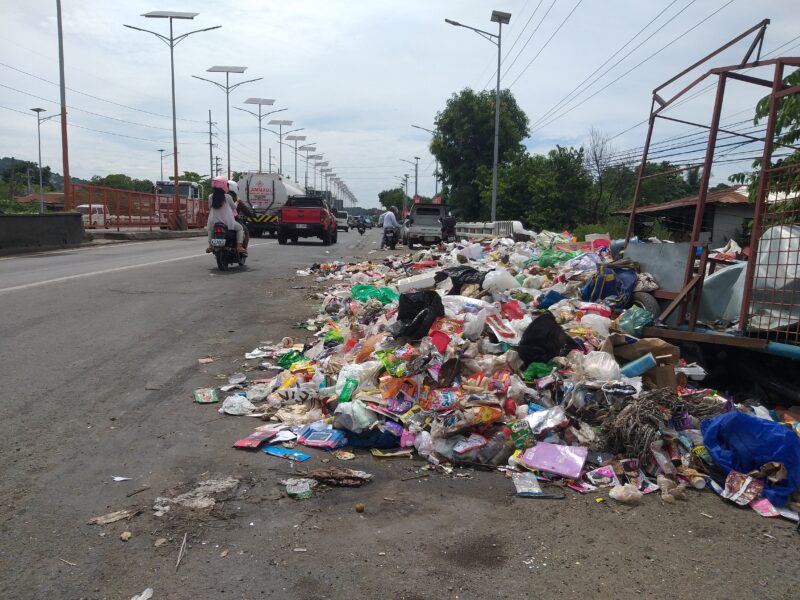
AT dawn, the stench of rotting garbage clings to Cagayan de Oro City’s streets as weary workers haul away mounds of refuse that sat uncollected for days.
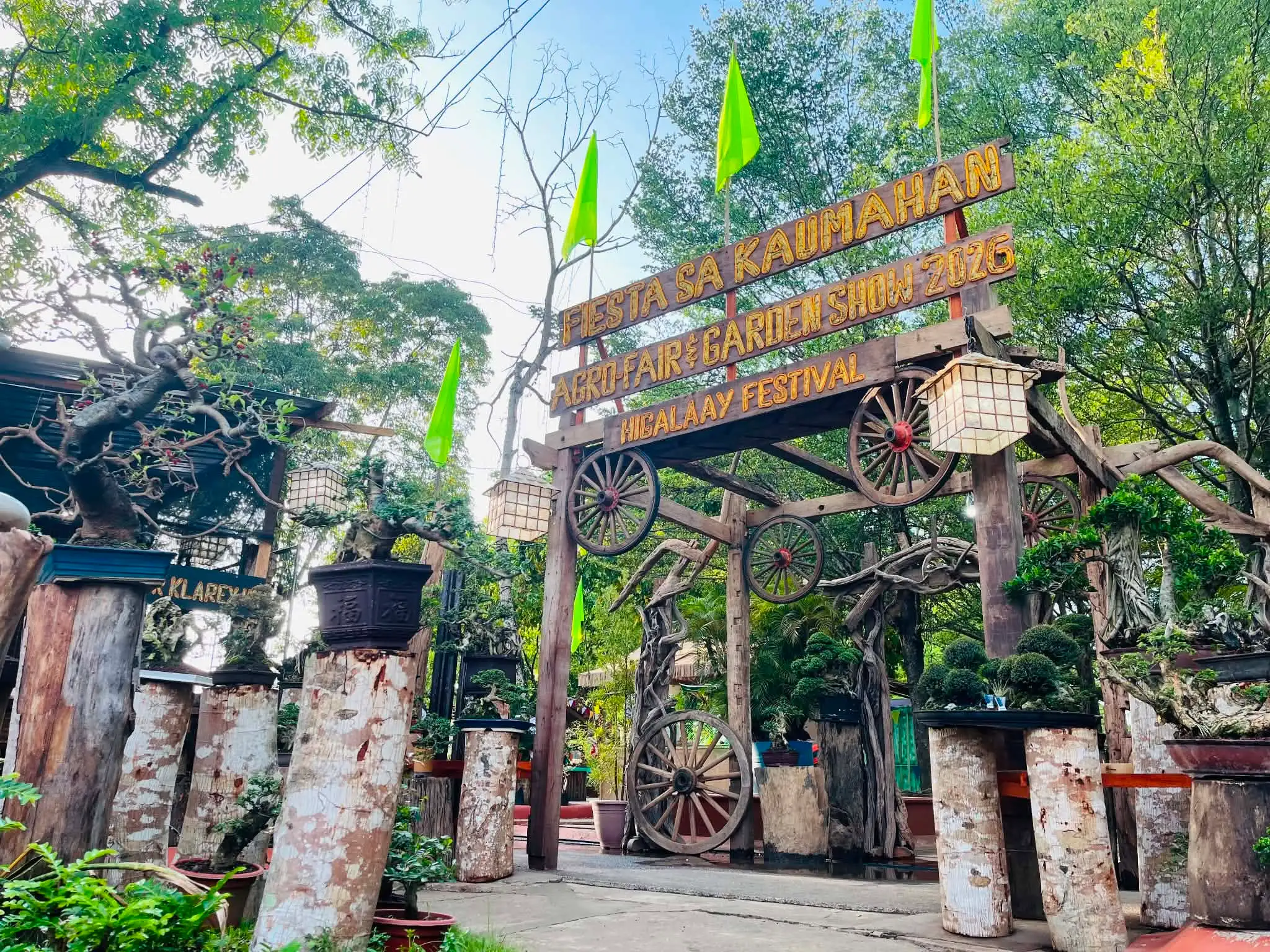
In Barangay Consolacion, a recent fiesta’s aftermath still blocks the road – a heap of plastic bags and soggy debris forcing motorcycles into oncoming lanes.
It’s an increasingly familiar sight in 2025, emblematic of a city’s basic services buckling even as local officials unveil an unprecedented P6.6-billion executive budget for 2026.
The contrast is striking: on paper, Mayor Rolando ‘Klarex’ Uy’s administration is pouring funds into public works and health, yet on the ground, governance woes – from a garbage crisis to public health scares and idle infrastructure – tell a more complicated story.

A city budget of billions
City Hall’s proposed P6.6-billion budget for 2026 is the largest in Cagayan de Oro’s history, with the lion’s share directed to roads and hospitals.
The City Engineer’s Office tops the allocation at P1.02 billion (about 15.5% of the total) for road construction, drainage upgrades, and flood control projects. Close behind is the City Health Office with P885.4 million (more or less 13.4%), earmarked to bolster hospital operations, public health programs, and disease prevention efforts.
The City Social Welfare and Development Department comes next at P712.6 million (10.8%), sustaining pandemic recovery aid for vulnerable sectors.
By contrast, economic and environmental programs languish at the bottom: the City Environment and Natural Resources Office (Clenro) is slated a mere P67.5 million, and the City Agriculture Office just P54.2 million, together barely 1.8% of the budget.
Tourism, sports, and cultural affairs are similarly scant-funded, each well under 1%.
Mayor Uy defends the spending plan as a people-centric strategy.
“Our goal is to make the budget work for people’s everyday needs — infrastructure, health, and social protection remain our anchors. We are investing where impact is most immediate,” the mayor said in his budget.
City planners have dubbed the 2026 agenda “Build, Heal, and Protect,” signaling that roads, healthcare, and social safety nets are the administration’s focus.
Budget Officer Percy Salazar certified that the revenue projections can support this level of spending.
The blueprint now awaits City Council deliberation and approval on Friday, Oct. 24.
Yet behind the optimistic slogans lies an uncomfortable reality. The hefty investments in concrete and clinics come at a time when essential services are straining.
As the budget was being finalized in late 2025, Cagayan de Oro was wrestling with piles of uncollected trash, surges in diseases, and a multi-million peso road project that sat unusable.
These governance headaches cast doubt on whether pouring more money into the same offices will yield better results – or simply paper over long-festering cracks.
Garbage woes amid an underfunded environment office
Nowhere are those cracks more obvious than in the city’s solid waste management system.
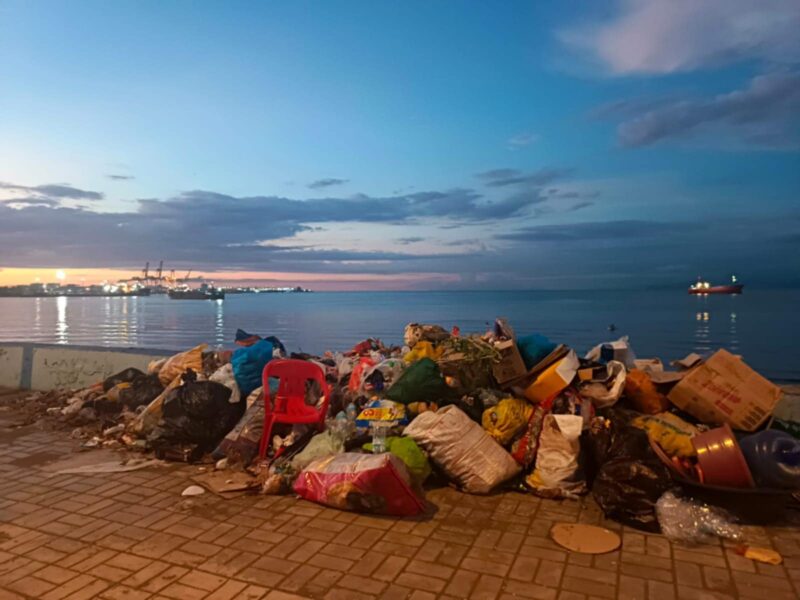
Even as officials proposed only P67.5 million for the environment office next year – effectively starving the garbage program of funds – a full-blown garbage crisis was unfolding. This October, the stench of uncollected trash once again wafted through the city’s main thoroughfares as missed pickups left piles of garbage along J.R. Borja Extension and in low-lying.
A deep dive into records revealed a system “bogged down by equipment failures, questionable landfill operations, and uneven barangay enforcement” that leave thousands of tons of waste unmanaged each.
The turmoil came to a head when the city hastily switched garbage contractors at the end of September 2025.
The new provider – a water treatment firm improbably tasked with trash collection – rolled in with hulking 10-wheeler compactor trucks. Within days, residents reported missed pickups and trucks wedged in narrow streets, unsuited to the city’s maze of inner-city alleys.
“It’s a mismatch between fleet and route. Some of these trucks simply can’t pass,” a barangay watchman in Carmen observed, as even two accidents were recorded in the chaotic rollout.
City Hall scrambled to adjust – establishing a new garbage transfer station in Barangay Pagatpat to consolidate waste onto bigger trucks for final disposal. But complaints of overflowing waste drop-off points continued unabated.
Behind the visible mess lurked deeper failures.
At the heart of the system, the city’s Pagalungan sanitary landfill was found violating safety regulations: a Department of Environment inspection discovered a large expansion cell with no protective liner, risking toxic leachate seeping into ground and water.
The landfill’s leachate treatment plant was also non-functional, leading national regulators to issue a show-cause order to City Hall in early 2025. Environmental experts warned these lapses threaten groundwater and could earn the city stiff penalties under the Ecological Solid Waste Management Act.
The political fallout from the trash fiasco has been swift.
Mayor Uy, under fire from angry citizens, launched a 24/7 “Task Force Basura” in mid-October with a two-week ultimatum to clear mounting garbage backlogs. He even took the dramatic step of personally overseeing nightly collections with the new contractor.
City Environment officials admitted that since late 2024, waste had been piling up faster than it could be hauled – about 45,000 cubic meters of trash generated per month versus only 37,000 cubic meters collected, leaving a monthly shortfall that grew into a crisis.
The prior contractor, Jomara, is accused of failing its duties: it allegedly neglected landfill maintenance and lacked serviceable trucks, prompting regulators’ rebuke and a councilor’s call to withhold the company’s P150-million fee for breach of contract.
In the end, Mayor Uy sacked Clenro chief Armen Cuenca and vowed to “personally supervise” his department managers until the city is clean.
Still, critics argue City Hall’s response is mostly reactive firefighting, not long-term planning.
“They fix one problem after the fact, then another pops up,” said Pat Jared Pangantihon of the Philippine Movement for Climate Justice, noting how stopgap measures haven’t addressed systemic issues.
The 2026 budget’s paltry allocation for Clenro suggests waste management may remain an afterthought.
As October ended, garbage was finally being cleared under the mayor’s ultimatum – but Kagay-anons wondered how long the relief would last once the headlines faded and the new budget kicked in.
Health on high alert, hospitals on a budget boost
Even as garbage piled up, another crisis quietly brewed in the city’s clinics and neighborhoods.
By October, Cagayan de Oro was seeing an unusual surge in influenza-like illness (ILI) cases, especially in Barangay Lapasan which logged 132 cases as of mid-October – a staggering jump from just 26 cases in the same period last year.
City Health Officer Dr. Rachelle Dilla reported 1,454 ILI cases citywide from January to October 18, a 9% rise year-on-year.
Health officials also warned of a spike in “WILD” diseases – Water-borne illnesses, Influenza, Leptospirosis, and Dengue – as the rainy season peaked.
An acute gastroenteritis outbreak hit in September after heavy rains, and dengue lurked as a persistent threat with health workers urging residents not to ignore fever symptoms.
“Please visit the health center… we have a test to check whether your fever is dengue, or if it’s not, it’s probably flu,” Dilla had appealed, emphasizing early detection and basic precautions like masks and handwashing.
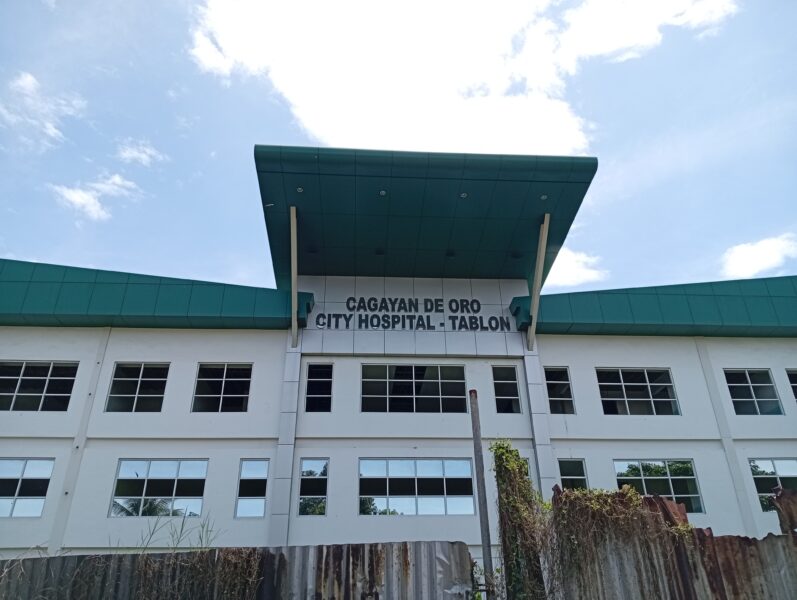
The public health challenges underscore why the City Health Office’s budget – second only to infrastructure – is set at P885 million. That funding is intended to fortify healthcare delivery in a city still rebounding from the Covid-19 pandemic’s blows.
In the past year, the city’s health department more than doubled its number of doctors (from 16 to 34) to strengthen universal health care services at barangay health centers.
The 2026 spending will sustain operations of the JR Borja General Hospital and multiple community clinics, procure medicines and vaccines (such as free flu shots for seniors), and expand disease prevention campaigns.
“Every peso must count. We are committed to transparent governance and measurable results,” Mayor Uy declared, pledging efficient use of health funds.
However, the budget’s real test will be delivery.
Residents of flood-prone barangays still recall how a leptospirosis uptick followed last year’s storms, and how understaffed clinics struggled to handle dengue cases during peak season.
Free vaccines and added personnel are welcome, but skeptics note that money alone won’t solve coordination problems – for instance, many seniors skipped their free flu shots this year despite availability.
The health office’s proactive alerts about the “WILD” diseases show awareness, but sustaining community vigilance requires consistent outreach and resources. As one local public health advocate put it, “It’s good (the city) is investing in health, but we need to see that translate to every barangay getting the services they need, especially the far-flung and poorest areas.”
The 2026 budget will allow the city to keep fighting these outbreaks, yet the outcomes will hinge on how well the infusion of funds is managed on the front lines.
Roads, flood control, boulevard of broken promises
By design, infrastructure is the star of Cagayan de Oro’s 2026 budget, consuming the largest slice of the pie.
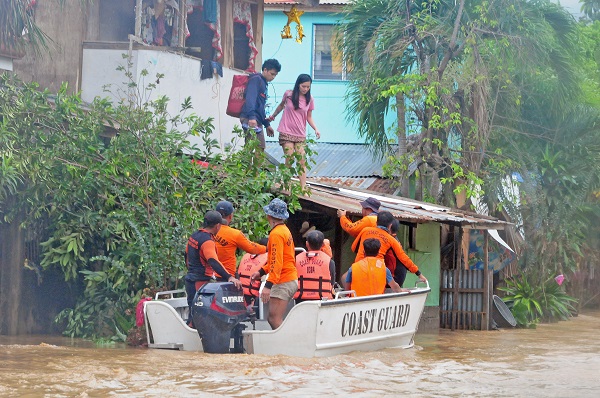
The City Engineer’s Office alone commands P1.02 billion – an ambitious war chest to pave new roads, upgrade drainage, and continue building flood control structures after the devastating floods of past years.
These projects align with the mayor’s “Build” agenda and the city’s commitment to improve mobility and climate resiliency.
In fact, some successes are evident: just this October, the Department of Public Works and Highways proudly reported completing a P160-million flood control project in Barangay Puntod, part of a multi-year effort to tame the Cagayan River.
The 2026 budget should accelerate similar works, expanding road networks in fast-growing uptown communities and fixing chronically clogged intersections.
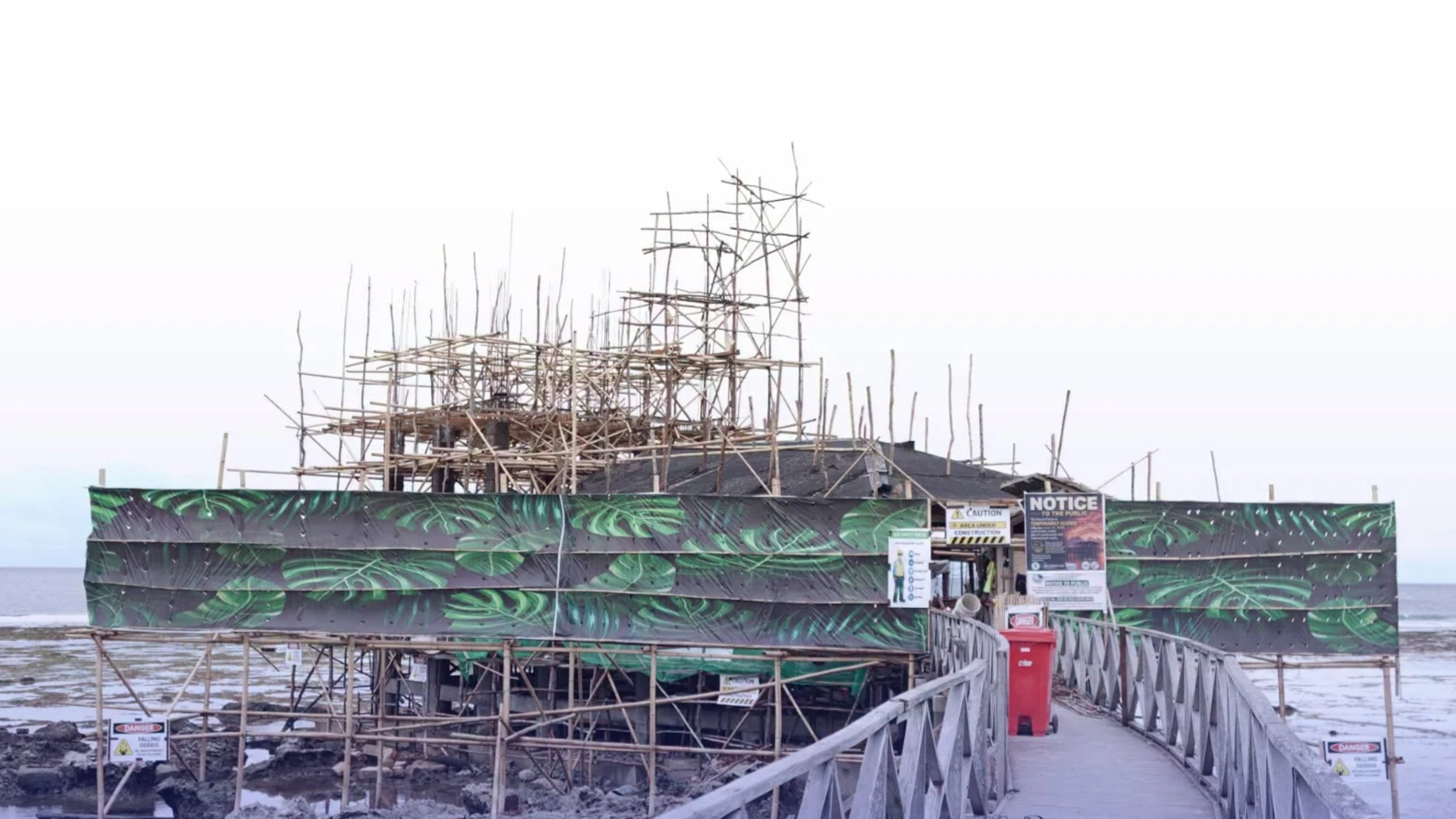
However, for many Kagay-anons stuck in daily traffic, grand infrastructure promises ring hollow. Nowhere is this more palpable than with the long-delayed Rio de Oro Boulevard, a multi-billion peso JICA-funded river boulevard project envisioned to ease congestion by providing an alternate route along the riverbank.
The boulevard – two lanes stretching 2.5 kilometers – was completed and inaugurated with fanfare, yet two years on it remains closed to most vehicles, essentially a road to nowhere. The project was supposed to be a game-changer for traffic and commerce.
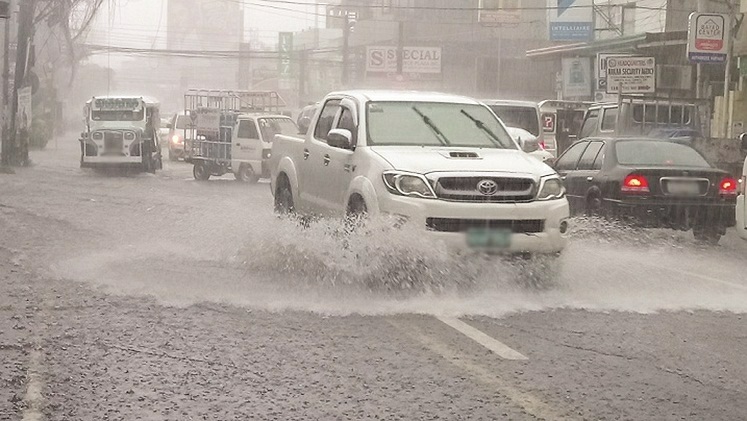
Indeed, while an estimated 40,000 vehicles crawl through the city’s gridlocked roads each day, the one new arterial road built to alleviate that crush sits mostly idle – hermetically sealed, guarded like a mythical shrine, open only for weekend joggers, Zumba events, and the occasional political photo-op.
Commuters still stew in worsening congestion, losing an estimated P3.5 billion in productivity every day spent stuck in traffic.
City Hall insists the delay in opening the boulevard is technocratic, not neglect. Lawyer Edgardo Uy, who heads the boulevard’s technical working group, cautioned that opening it to general traffic too soon could worsen jams at the unprepared feeder roads.
The city is studying how to manage the influx of vehicles where the boulevard exits, and has so far only allowed bicycles, pedestrians, and emergency vehicles to use the stretch.
Officials say a proper rotunda or road network adjustment is needed before vehicles can be let through. Still, to frustrated residents, the holdup smacks of poor planning.
“We have a brand-new road but didn’t build the connections to make it useful – you can’t make this up,” sighs Lourderico Pedimomete, a commuter who passes the gated entrance of the boulevard daily on his way to work.
The disconnect between infrastructure spending and actual mobility fuels public skepticism. As one social media commenter wryly noted, “Cagayan de Oro can buy all the asphalt it wants, but if we can’t use the roads, what’s the point?”
The boulevard fiasco isn’t the only infrastructure question mark.
Smaller projects around the city have also drawn scrutiny, such as a proposed pedestrian overpass on Masterson Avenue near a busy school. That plan faced community opposition for lack of study, with citizens pointing out that many overpasses end up ignored by pedestrians and that no traffic impact assessment was presented to justify the cost.
It’s a reminder that spending big on infrastructure must be guided by solid data and community buy-in, not just ribbon-cutting ceremonies.
The 2026 budget’s hefty public works component will test the city leadership’s ability to learn from past missteps – to finish what’s been started, pick projects that truly ease everyday burdens, and avoid white elephants that siphon funds but deliver little practical benefit.
The challenge: Turning money into measurable change
As Cagayan de Oro’s 21st City Council convenes to scrutinize the 2026 Executive Budget and the accompanying Annual Investment Plan, the stakes are high.
On the one hand, the budget’s priorities clearly respond to the city’s most pressing needs: better roads to spur economic activity and ease traffic, stronger health services in the face of emerging diseases, and sustained social support for those still recovering from the pandemic’s fallout.
These are what Mayor Uy calls the budget’s “anchors” – areas “where impact is most immediate” for the public.
On the other hand, recent governance stumbles underscore that it’s not just about how much money is allotted, but how well the money is used. Can an overwhelmed bureaucracy fix its delivery mechanisms to match the funding surge? Will increased budgets for health and engineering translate into cleaner barangays and safer streets, or will the same structural inefficiencies blunt their effect?
Veterans of local governance note that Cagayan de Oro has been here before.
Past budgets, though smaller, likewise touted infrastructure and social services, yet underspending and delays were common. What’s different this time, officials argue, is a renewed commitment to transparency and results.
The administration promises quarterly public progress reports and has invited civil society groups to help monitor major projects.
The City Council, led by Vice Mayor Jocelyn Rodriguez, has also vowed vigilance on whether the “Build, Heal, Protect” agenda actually hits its targets.
There is talk of earmarking contingency funds within the budget to address unforeseen crises – whether another garbage contractor fiasco or a disease outbreak – so that the city can respond faster without derailing planned programs.
For ordinary Kagay-anons, such assurances will need to be proven.
The woman navigating around garbage piles on her way to work wants to see her street clean year-round, not just during a two-week cleanup drive.
The barangay health worker logging fevers in Lapasan wants sufficient medicines and nurses at the clinic when dozens line up for checkups.
The jeepney driver sweating in traffic on a choked bridge wants that shiny new riverside road opened, or any tangible relief from the daily jam.
Each of these citizens is, in effect, asking the same question of their leaders: will this record-breaking budget actually make a difference in our daily lives?
In the coming weeks, as the city council hammers out the final appropriations, the proposed billions will be debated line by line.
But the real verdict on Cagayan de Oro’s 2026 budget will come on the city’s streets and alleys, in its hospitals and barangay halls.
It will come if and when a mother in the city notices that the garbage truck now shows up on schedule, that her children can walk to school on safe sidewalks, that the health center has medicines and doctors – that promises on paper are becoming reality.
Anything less, and the grand P6.6-billion budget could end up as just another number, swallowed by the same old problems that money alone can’t fix.
The people of Cagayan de Oro are watching, and they have long memories. Billions have been allocated – now results must follow.