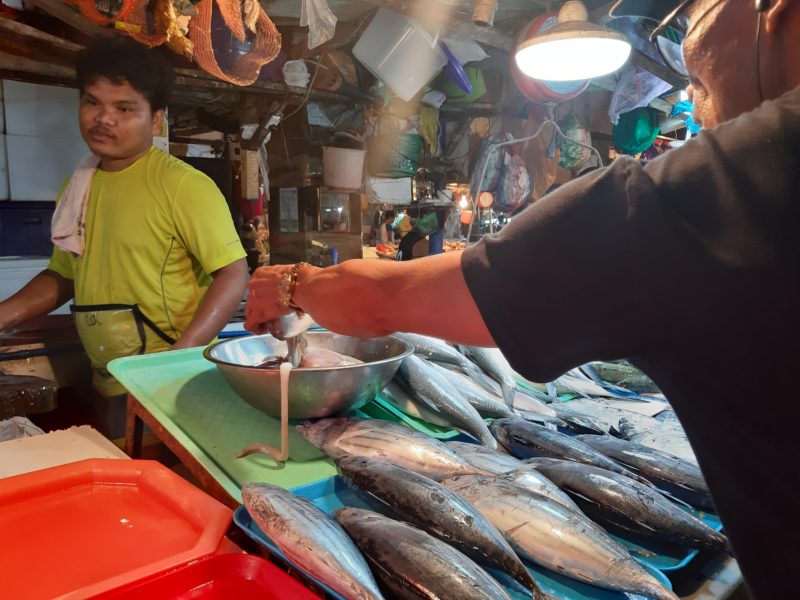
CAGAYAN de Oro City. Inflation in the country slowed to 6.4%, but many families say their daily expenses are still too high.
If your grocery bill, electric bill, and other household costs still feel expensive, economists say you're not imagining it.
The reason is core inflation, which measures price increases after removing volatile food and fuel costs.
In June 2026, core inflation climbed to 4.4%, the highest level in nearly three years, showing that many everyday goods and services are still becoming more expensive.
"The drop in headline inflation can be misleading," said Professor Noel Leyco, chief economist of Credit Rating and Investor Services Philippines.
"People don't feel prices going down because many of the things they buy every day are still getting more expensive."
National Statistician Claire Dennis S. Mapa said restaurant prices rose 7.0%, school fees increased 3.9%, and utility costs went up 8.0%, including a 12.0% jump in electricity prices.
Food also continues to put pressure on household budgets because it makes up the largest share of family spending.
Economic Planning Secretary Arsenio Balisacan said rising prices continue to affect poor and vulnerable families the most.
"They say inflation is going down, but we don't feel it," said a sikad (pedicab) driver near Agora Market in Cagayan de Oro City, who asked not to be named.
"Our electric bill is higher, and buying rice and other basic food already takes most of what I earn in a day," he said.
How families can save money
Families can help manage rising costs by:
Buying more affordable cuts of meat, as meat prices fell 4.2%, while vegetable prices rose 9.0%.
Saving electricity by turning off unused appliances and unplugging devices.
Cooking more meals at home instead of eating out, helping avoid the 7.0% increase in restaurant prices.
While inflation is slowing, many families may not feel real relief until the prices of everyday goods and services start to fall.