A prominent Iloilo cleric is questioning the government’s focus on contractors while sparing legislators in the ongoing investigation into alleged flood control project anomalies.
Monsignor Meliton Oso, director of the Jaro Archdiocesan Social Action Center, is calling for an independent body to investigate the involvement of congressmen and senators, arguing that no major infrastructure project could proceed without their approval and budget allocations.
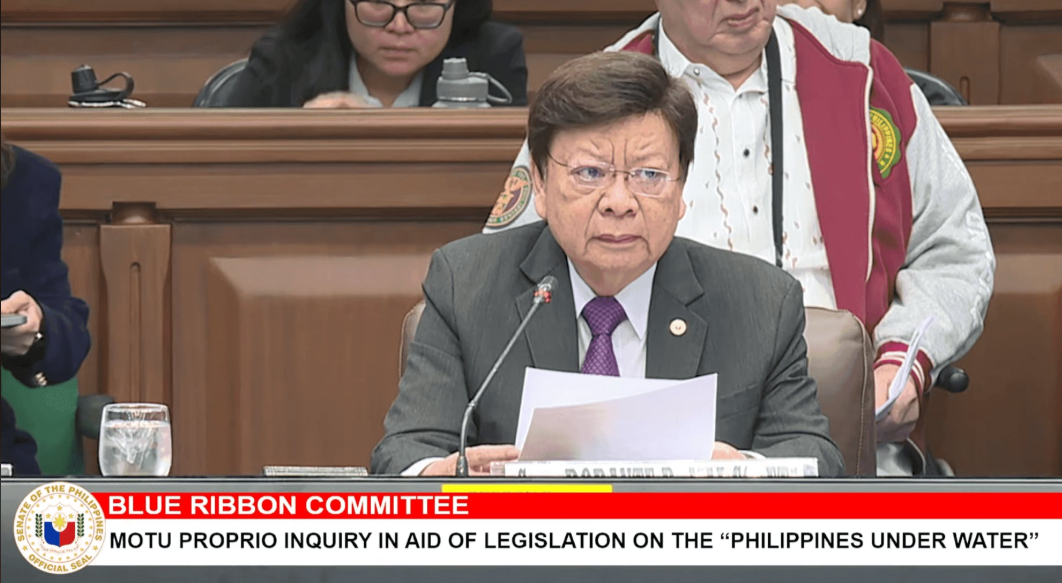
The call comes amid a series of Senate hearings into irregularities in public works projects, which have primarily focused on the Department of Public Works and Highways and its private sector partners.
Oso believes this approach is incomplete. He pointed out that while investigators often scrutinize contractors, they frequently ignore the role of legislators, who allegedly receive a larger share of illicit funds.
Citing previous statements by Sen. Panfilo Lacson, Oso highlighted the long-standing “slice of the cake” culture in public works, where kickbacks are a common practice.
Oso alleged that lawmakers’ share of corrupt proceeds can be as high as 20 to 25%, significantly more than the 10% he estimates contractors receive.
“Their accountability is much greater,” he said, explaining that while individual theft harms a single person, public fund theft robs the entire nation—particularly its most vulnerable citizens.
Oso lamented that corruption deprives millions of impoverished families of essential services. Instead, he said, these anomalies leave the country with crumbling infrastructure and substandard projects.
He described the flood control issue as just one facet of a systemic problem, citing reports of sinking bridges and poorly constructed schools as further evidence of widespread corruption.
The cleric emphasized that the current system, where lawmakers investigate their peers, is fundamentally flawed. He urged for the creation of an independent commission to ensure a thorough and impartial investigation.
Oso also encouraged citizens to report anomalies through official government channels. He stressed that public engagement and accountability are crucial in the fight against graft and corruption.