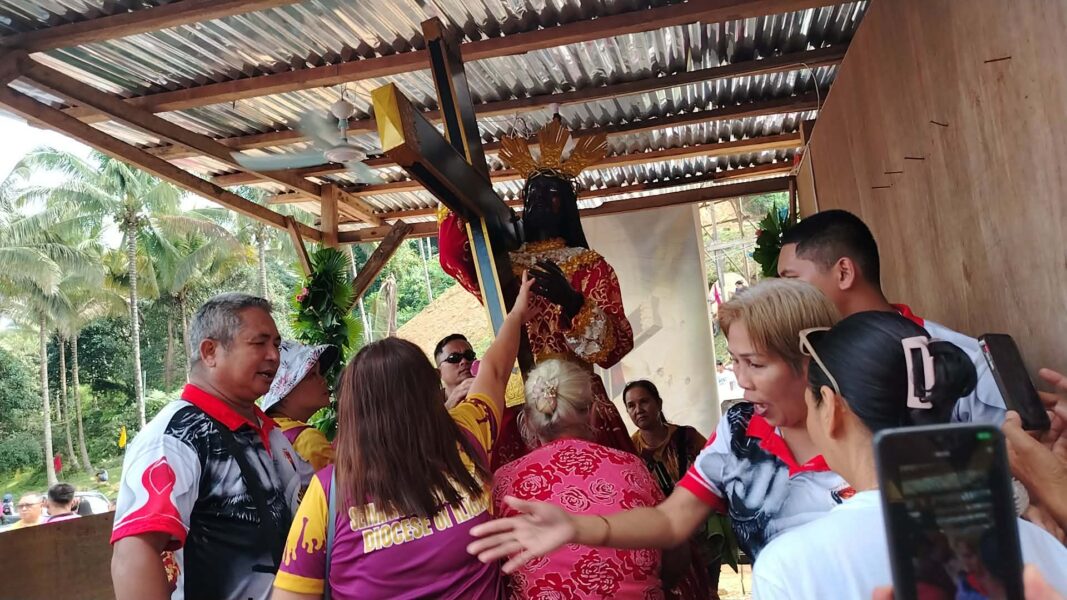
The Diocese of Iligan is moving forward with plans to build a shrine for the Black Nazarene, a revered image of Jesus Christ, on a six-hectare land in Purok 3, Mibala, Tipanoy.
The land was donated by a local benefactor, and the shrine is part of the late Bishop Elenito Galido's vision to spread the devotion to the Black Nazarene.
Rev. MSGR Alberto De Lara, of the St. Michael the Archangel Cathedral Church, clarified that rumors of division among devotees are "completely unfounded and represent a clear case of fake news."
He emphasized that the creation of the shrine aims to expand the devotion and make it more accessible to the faithful, providing an additional location for gatherings and celebrations.
"The devotion remains united, whether at the Cathedral or at the new Diocesan Shrine in Tipanoy," De Lara said, adding, that the creation of the shrine was always part of the plan to spread the devotion and make it more accessible to the faithful.
"All of us are united in our faith, our devotion, and our celebration of the Black Nazarene," he stressed.
The St. Michael the Archangel Cathedral will continue to host devotees, with the new shrine serving as a supplementary site. On January 9, two masses were held to honor the Black Nazarene: one at 6:00 am at the Cathedral and another at 9:00 am at Tipanoy.
Bishop Jose R. Rapadas III presided over the mass at Tipanoy and shared a 30-year development plan for the shrine, including:
- Improved road accessibility and open gathering spaces (first 5 years)
- A permanent church structure, eco-spiritual and tourism facilities, and a retreat house (following years)
Rapadas expressed confidence in the project, stating it is "a mission born from the people of God, sustained by faith, unity, and even the smallest contributions of the faithful."
"When the work comes from the people of God, the Lord will not abandon it," he added.
The Diocese of Iligan has been celebrating the Feast of the Black Nazarene since 2015, after receiving a replica of the Poong Nazareno from Quiapo Church.
The feast day, January 9, is now officially recognized as part of the liturgical calendar of the Catholic Church in the Philippines.