When food prices rise, many Filipino families struggle to afford nutritious meals, while many farmers still earn too little from their harvests.
The Department of Agriculture's KADIWA program aims to help both by connecting farmers directly with consumers.
According to the World Food Programme, about 11% of Filipino households experience food insecurity, but the rate climbs to 24% among farming families, compared with 9% for non-agricultural households.
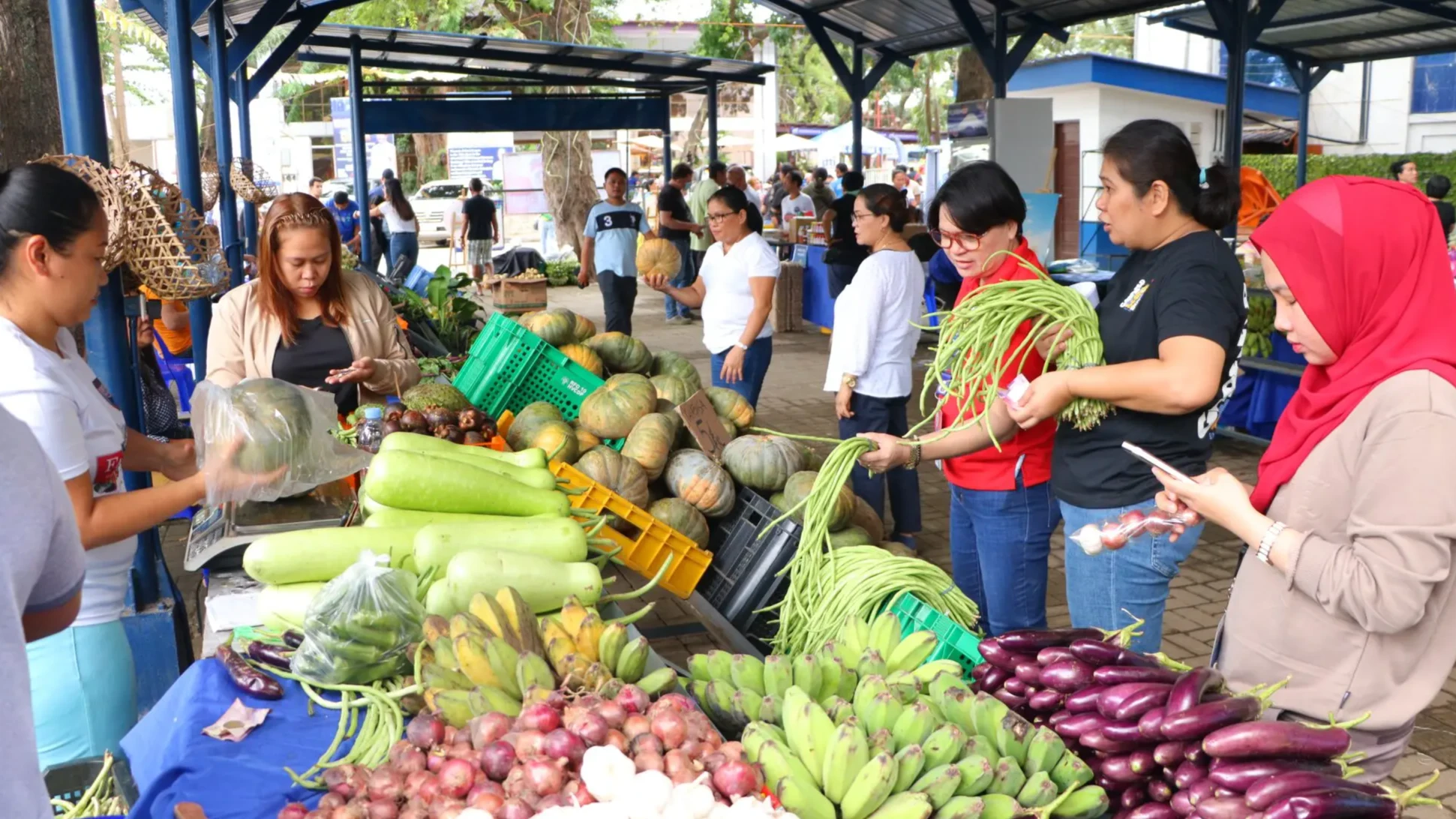
KADIWA, or Katuwang sa Diwa at Gawa para sa Masaganang Ani at Mataas na Kita, allows farmers and fisherfolk to sell vegetables, fruits, rice, fish, and other products directly to the public, cutting out middlemen.
This helps keep food prices lower while giving producers a fairer income.
Former DILG Secretary Benhur Abalos said the program also improves access to nutritious food for communities facing hunger.
It is implemented through permanent KADIWA centers and mobile markets in partnership with the DA, DILG, DTI, DOLE, and DSWD.
The program proved its value in Cagayan de Oro during the 2020 pandemic through Kadiwa on Wheels, which generated about P1.9 million in sales in its first month while bringing affordable food to communities.
It also helped farmers whose produce could not reach regular markets. Johanie Buawaya of the Canitoan Farmers Association said the program helped them earn about P40,000 a day instead of watching their eggplants rot, while farmer Arlene Bautista of Barangay Indahag said it allowed local farmers to keep earning despite lockdowns.
City officials are now pushing to make KADIWA permanent through a proposed ordinance led by the City Council Committee on Trade and Commerce.
If approved, the program would provide residents with continued access to affordable, fresh food while giving local farmers a stable market.
While KADIWA alone cannot end hunger, it offers a practical way to lower food costs, support local producers, and strengthen food security alongside long-term investments in farm-to-market roads, cold storage, and climate-resilient agriculture.