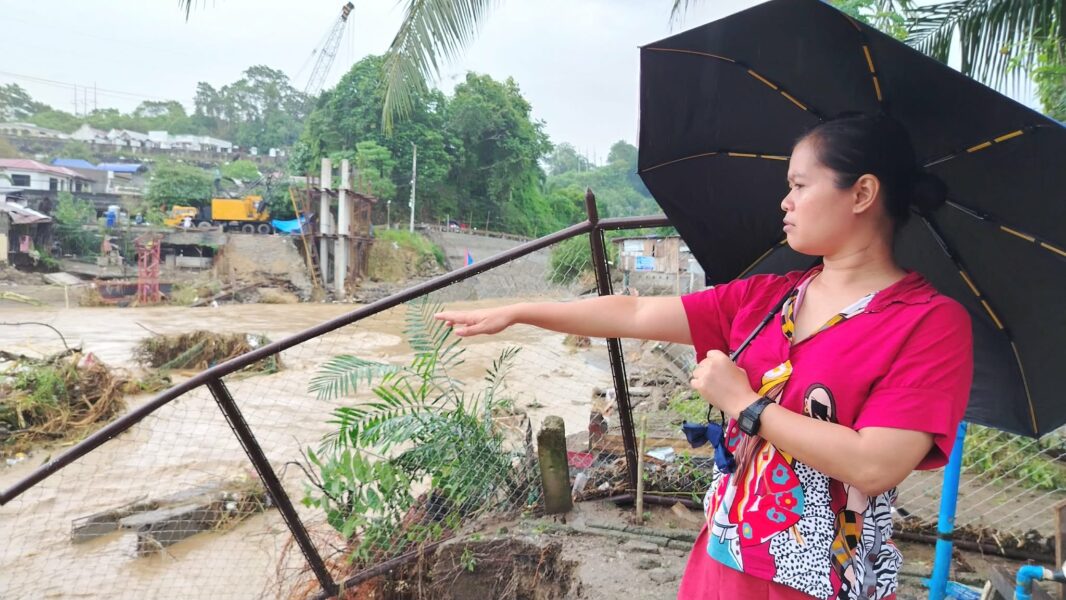
Residents of a riverside community in Barangay Pala-o in Iligan City were forced to evacuate late at night as rapidly rising floodwaters from Tropical Storm Basyang threatened homes—rekindling trauma from a recent fire that had already displaced many families.
For Gee Collantes, a resident of Purok 10, Riverside, the danger became clear hours before any official advisory was issued. Rain began early in the evening of February 4, prompting residents to closely monitor the river as early as 9 p.m.
“By midnight, the water was already very strong—the current was fast, the waves were huge. In just a split second, the water level rose dramatically,” Collantes recalled.
Fearing for their safety, her family decided to evacuate before 1 a.m., relying solely on their own judgment.
“We no longer felt safe. Based on what we’ve heard from past floods, water can rise violently. No matter how prepared you think you are, there’s nothing you can do against water that strong—the waves were already taller than a person,” she said.
Before they left, floodwaters had already reached knee level.
Pre-evacuation saved lives
Despite the disruption, Collantes stressed that evacuating early made a critical difference.
“The advantage of pre-evacuating is that you save lives—your own and your family’s. Yes, it’s inconvenient to leave your home, but if we had stayed, we wouldn’t have slept at all. Your mind is never at peace knowing the water could reach your bed at any moment,” she said.
“At the end of the day, you are responsible for saving yourself. Possessions can be replaced—lives cannot.”
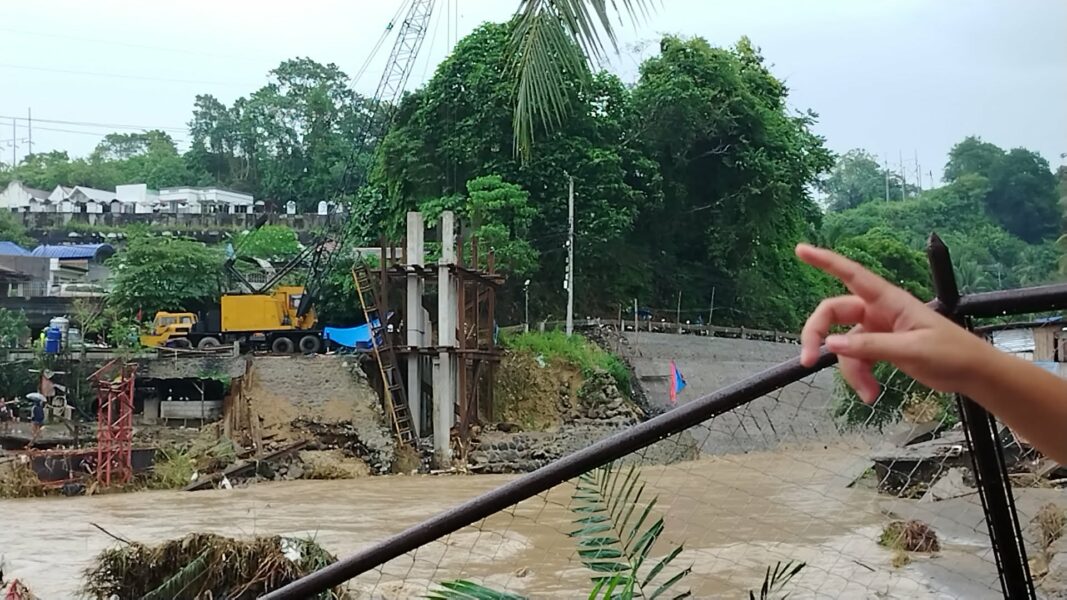
Residents also reported early signs of infrastructure damage even before the flood peaked. A bridge under repair had its foundations exposed, while a concrete footbridge was reportedly uprooted by the force of the water.
Trauma compounded by an earlier fire
The flooding reopened emotional wounds in a community still recovering from a previous fire.
“Honestly, I feel like crying, and I don’t even understand my emotions anymore,” Collantes said.
“We experienced a fire, and we haven’t even had proper psychosocial sessions yet. We were still planning those interventions—then this happened.”
“It feels like we never recovered before another disaster came. First fire, then flood. The trauma, anxiety, and fear are doubled.”
Call for accountability, not just response
Collantes urged authorities to move beyond plans and paperwork, calling for disaster risk reduction efforts that genuinely protect lives.
“Disaster response is not just about plans, projects, and assessments. It’s also about protecting and restoring the environment. This requires a holistic approach,” she said.
She pointed to the absence of riprap along the riverbank, which she believes could have reduced the damage.
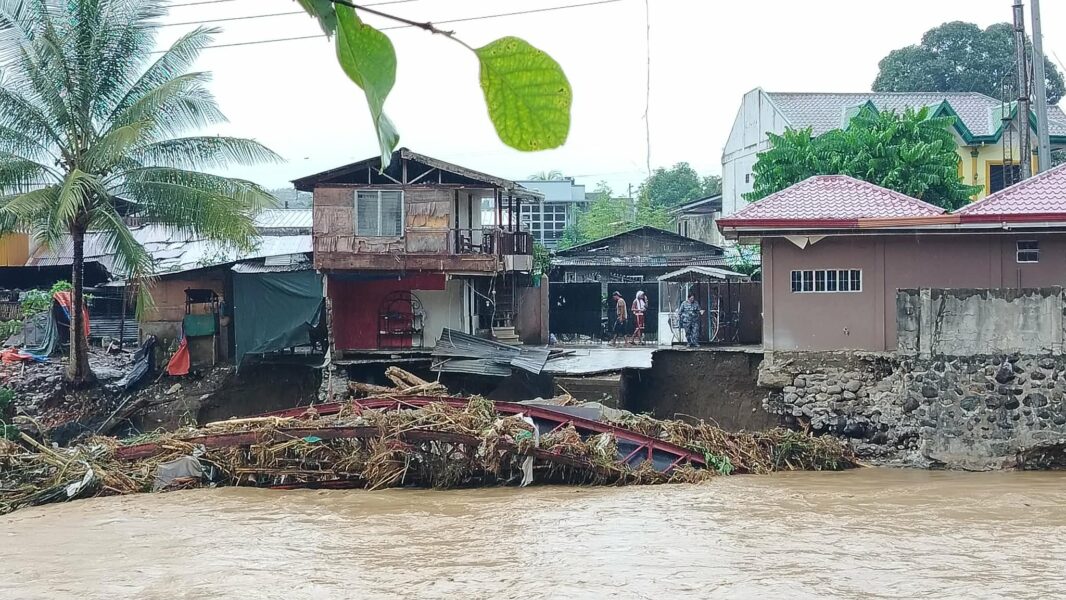
“There is still no riprap here. It’s painful to think about flood control in this country because corruption is a huge issue. Billions of pesos meant for flood control have been stolen,” she said.
“This is not just a natural disaster—the effects of corruption are part of it. If projects were properly implemented, maybe lives and homes could have been saved.”
Access cut off, daily life disrupted
The damaged footbridge has further isolated the community, cutting off access to the market and forcing residents to take longer, more expensive routes.
Transportation options are limited, and fares have increased, adding to the burden on already displaced families.
Fearing further overflow, some residents evacuated again to higher areas, including C3, as water levels remained unstable.
City data show that 24,540 individuals, or 6,217 families, were affected by Basyang. Of these, 21,719 people are currently staying in 33 evacuation centers across Iligan City.
For Collantes and many others, the lesson is painfully clear: timely decisions, preparedness, and accountable governance can spell the difference between life and death.