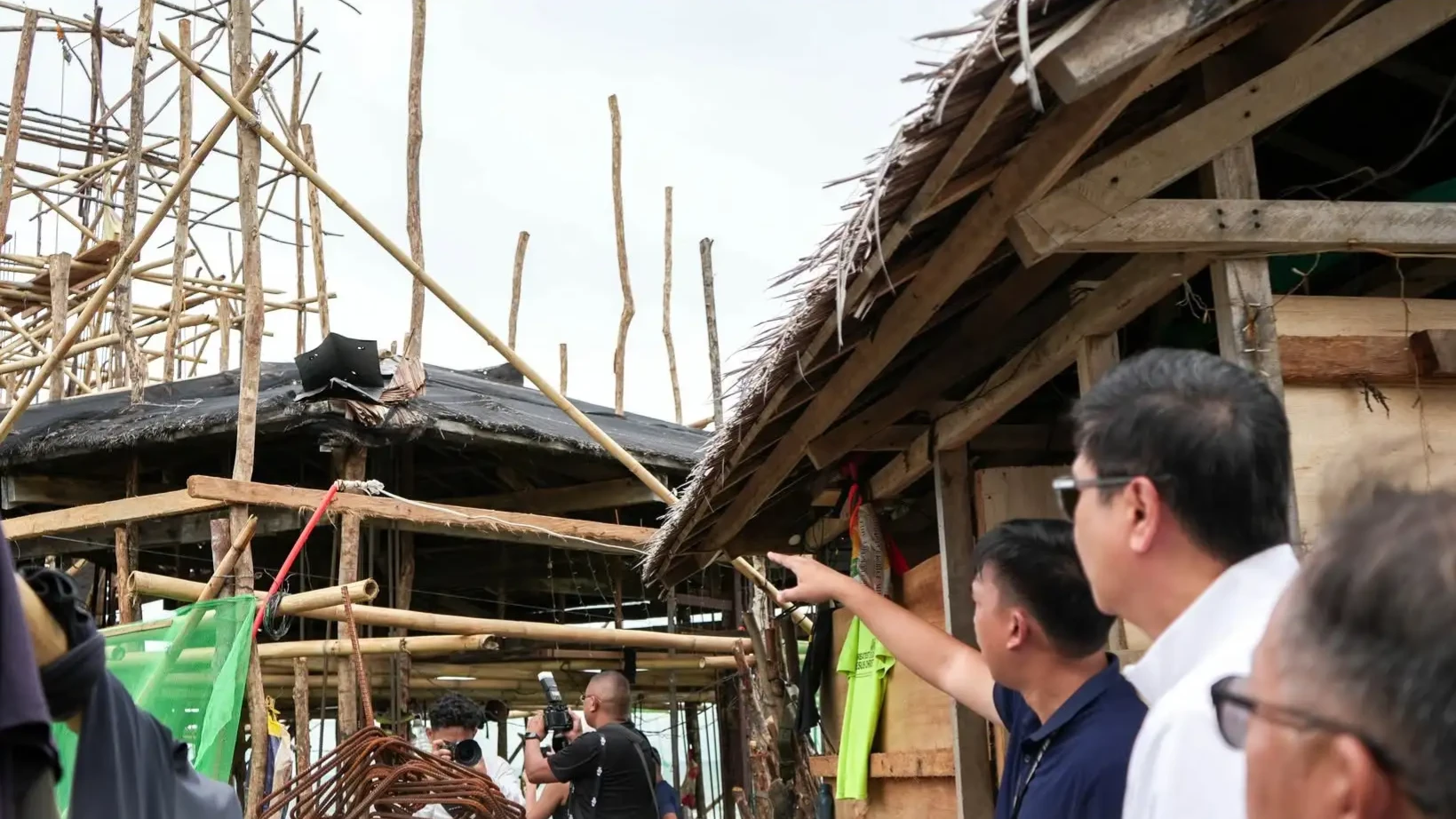
CAGAYAN DE ORO CITY — Labor groups have called on government agencies to prioritize workers’ protection following the closure of a steel plant in the PHIVIDEC estate that displaced an estimated 400 to 600 employees after a recent law enforcement operation.
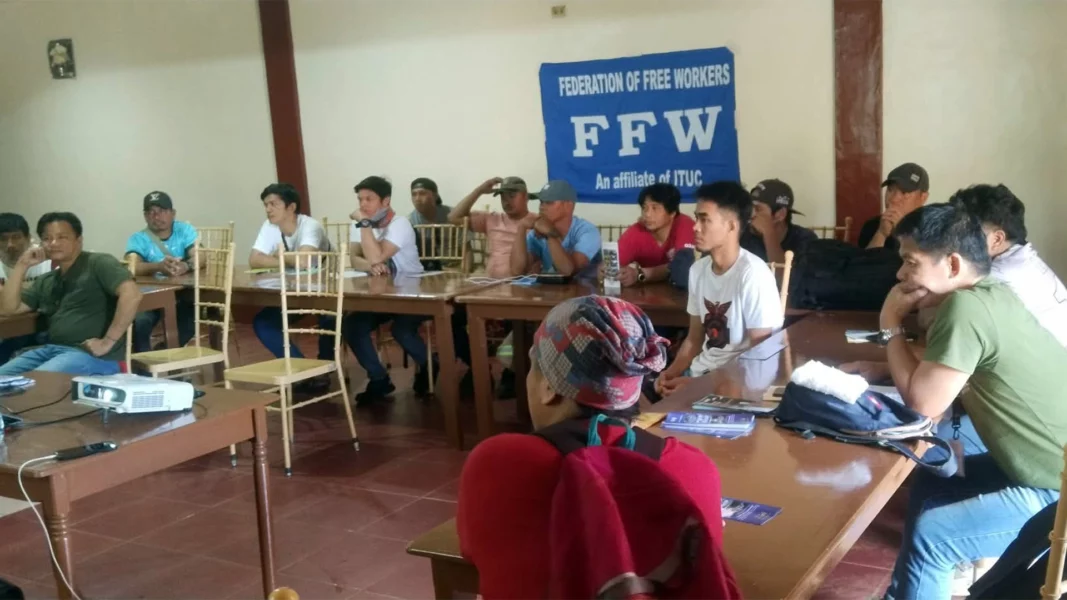
The Federation of Free Workers (FFW) raised concern over the shutdown of Philippine Sanjia Steel Corporation in Barangay Baluarte, Tagoloan, following an NBI-led raid that also resulted in the detention of foreign nationals and reports of suspected hazardous materials inside the facility.
While acknowledging national security concerns cited by authorities, including the plant’s proximity to a Philippine Navy dry dock project and the alleged recovery of dangerous substances, FFW said these issues must be balanced with workers’ rights to livelihood and due process.
“Workers should not be displaced by vague or innocuous reasons. If the issue involves labor standards or occupational safety, the Department of Labor and Employment (DOLE) must take the lead under its inspectorate power under Article 128 of the Labor Code,” said Metal Workers Union-FFW president Elisa Roa.
Roa urged DOLE to immediately conduct a hearing and implement measures to prevent job losses while investigations are ongoing.
FFW president Atty. Sonny Matula also stressed that law enforcement actions do not automatically justify shutting down workplaces and displacing employees.
“A workplace is not automatically a crime scene just because a search warrant was served. A warrant allows a search, but it is not a magic key to shut down the factory and throw workers out of work forever,” Matula said.
The labor group urged government agencies to clarify the legal basis of the closure, ensure a DOLE-led inspection, and initiate dialogue with workers and management.
Authorities earlier ordered the closure of the steel facility after a court-backed operation led by the National Bureau of Investigation, with Defense officials citing possible security and environmental risks tied to the plant’s operations.
FFW said while security issues must be addressed, worker protection should not be treated as secondary.
“Security concerns must be addressed, but workers’ job security should not become collateral damage,” the group added.