IN a significant move balancing religious tradition with humanitarian need, the Bangsamoro Darul-Ifta has issued a Fatwa (religious ruling) permitting the exhumation of over 1,000 victims buried in the aftermath of the 2017 Marawi City siege.
The ruling, issued by the Islamic advisory body for the Bangsamoro Autonomous Region in Muslim Mindanao (BARMM), aims to solve a years-long identity crisis for hundreds of families.
The Fatwa will specifically focus on the Maqbara public cemetery in Barangay Papandayan Caniogan, Marawi, where more than 470 civilians and ISIS fighters were buried. Currently, graves are marked only by numbers etched on headstones.
Bangsamoro Mufti Sheikh Abdulrauf Guialani issued the ruling to allow forensic experts to extract DNA samples from the remains.
Balancing sanctity and closure
Under Islamic law, exhuming graves is generally strictly prohibited (haram) to protect the repose of the dead. However, the Darul-Ifta explained that the unique tragedy of the siege required an exception.
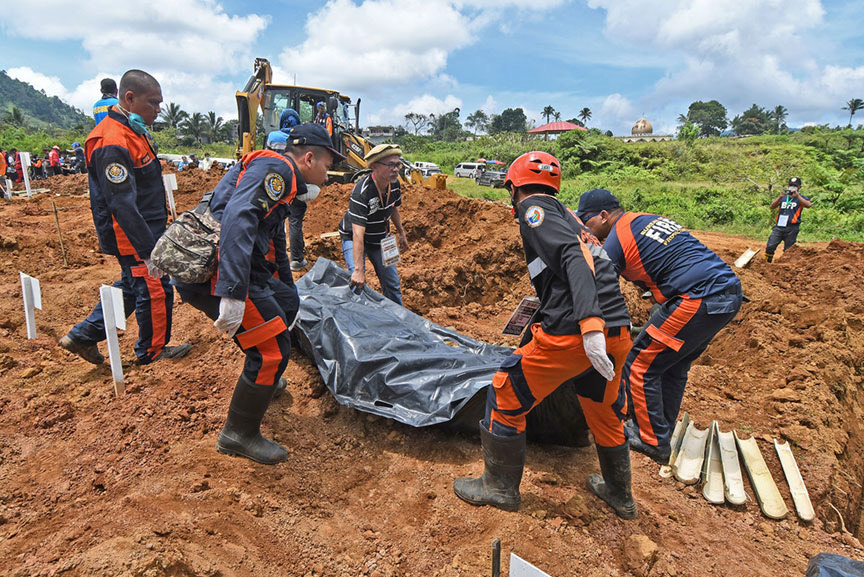
“The original ruling on exhuming graves is prohibited (‘haram’) as it violates the sanctity and dignity of the human being. However, when justified by valid reasons, it becomes a nuanced matter in Islamic Jurisprudence requiring a balance between the sanctity of the deceased and the rights of living relatives,” the ruling stated.
International support
The religious body acted following a request from the International Committee of the Red Cross (ICRC) in the Philippines. The ICRC has been providing technical assistance to government agencies, including the Philippine National Police Scene of the Crime Operation (SOCO) and the Bureau of Fire Protection (BFP), to assist families in the identification process.
ICRC Philippines Communications Manager Allison Lopez said the ruling offers a path to closure for hundreds of families whose lives remain in limbo. According to Lopez, at least 300 graves in the Maqbara cemetery remain unidentified.
Police data reveals the scale of the challenge: of the 470 graves at Maqbara, only four have been positively identified by relatives who provided DNA samples to the SOCO crime laboratory in Cagayan de Oro.