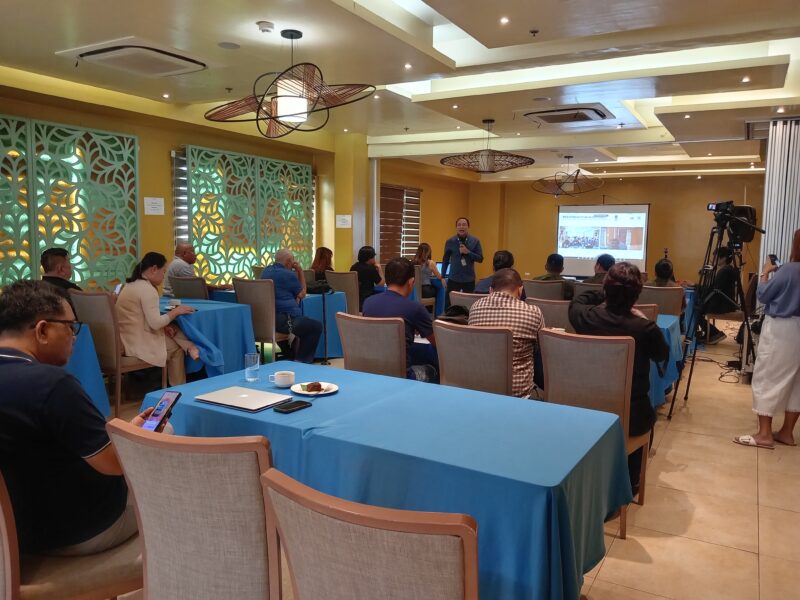
On Thursday, January 22, the Philippine Press Institute (PPI) convened key stakeholders to form a media-citizen council—an initiative designed to promote responsible journalism and give the public a formal platform to raise concerns about news coverage.
The move seeks to strengthen trust between mainstream media and communities by encouraging dialogue, accountability, and ethical reporting.
According to PPI Executive Director Ariel C. Sebellino, the creation of the council comes amid growing concerns over misinformation, declining public trust in media, and the spread of fake news. He noted that disinformation has blurred public understanding of how journalism works and how editorial decisions are made.
PPI explained that the media-citizen council serves as a bridge between journalists and citizens, helping ensure that media organizations remain responsive to the needs, values, and lived experiences of the communities they cover.
Not a court, but a space for dialogue
Unlike courts or regulatory bodies, the media-citizen council does not impose penalties or sanctions. Instead, it focuses on education, mediation, and ethical reflection—reinforcing the idea that journalism is a public service rather than a purely commercial or political activity.
The council operates independently and is guided by journalistic ethics, not by partisan or business interests. It also functions as an alternative dispute resolution mechanism, helping decongest libel cases in regional courts by addressing grievances before they escalate into legal battles.
A multi-sectoral body
The media-citizen council is designed to be multi-sectoral. Joenald Medina Rayos, chairperson of the Batangas media-citizen council, said the body should be composed of representatives from four key sectors: media, academe, business, and the legal sector.
“Members must be true representatives of their respective sectors,” Rayos said, adding that larger organizations may internally decide who will represent them in the council.
What the council does
At its core, the media-citizen council aims to:
- Receive and discuss public concerns about media content
- Encourage fair, accurate, and ethical journalism
- Promote media literacy among citizens
- Foster constructive dialogue between the press and the public
Why it matters to news consumers
For news consumers, the council offers a safe and accessible avenue to be heard—particularly for individuals or groups who feel misrepresented or misunderstood by media coverage, such as sources or resource persons.
Through the council, citizens can raise questions, seek clarification, and gain a better understanding of how news is produced and why certain editorial decisions are made.
PPI emphasized that empowering audiences to engage with the media contributes to a more informed public and a healthier democratic discourse.
A feedback loop for journalists
The council also serves as a feedback mechanism for journalists and media organizations, encouraging reflection and improvement without fear of punishment.
“When we open up our problems, it is with full transparency and accountability,” Sebellino said.
By opening lines of communication, the council helps prevent conflicts from escalating and supports higher ethical standards within the profession. Case studies presented during the workshop—particularly from the Central Luzon media-citizen council—showed that mediation efforts often led to fair and constructive resolutions for all parties involved.
Stakeholders who participated in the initiative welcomed the move, describing it as a step toward greater transparency, accountability, and collaboration between the media and the public—marking a shift in how mainstream media engages with the communities it serves.