CAGAYAN DE ORO CITY — Residents are being urged to start conserving water and preparing for hotter, drier months ahead after the Philippine Atmospheric, Geophysical and Astronomical Services Administration (PAGASA) raised its El Niño Alert, signaling a 79% chance that El Niño may develop between June and August 2026 and possibly last until early 2027.
The City Information Office, citing PAGASA’s April 22 advisory, said the El Niño Southern Oscillation (ENSO)-Neutral condition still prevails in the Tropical Pacific, but most climate models now point to a likely shift toward El Niño conditions in the coming months.
Kagay-anons face below-normal rainfall, longer dry spells, reduced water supply, and higher temperatures—conditions that will strain households, farms, and businesses if they delay preparations.
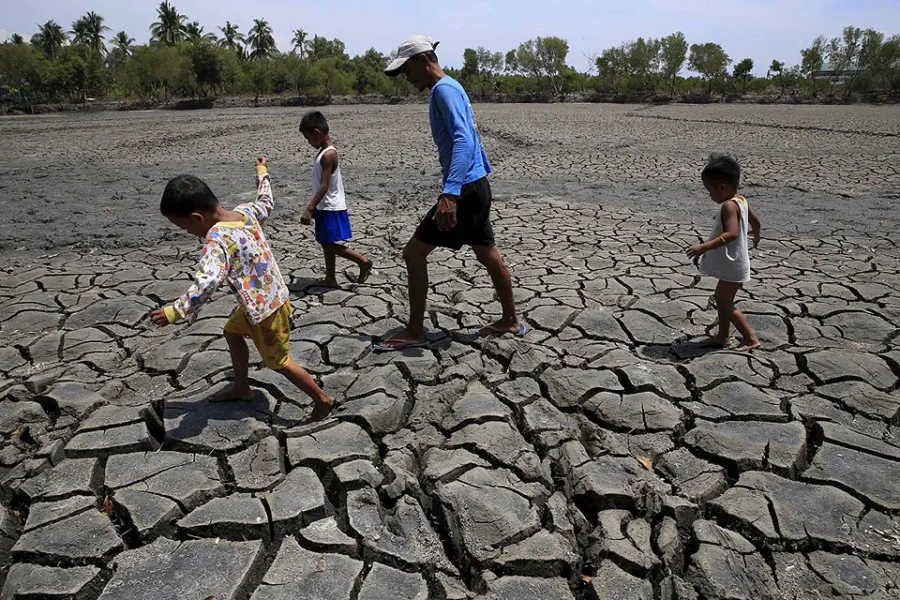
El Niño fuels droughts and dry spells that lead to water shortages, reduced crop yields, heat-stressed livestock, and frequent forest fires.

PAGASA defines “drought” as three consecutive months of more than 60% below-normal rainfall, while a “dry spell” refers to three straight months of 21% to 60% below-normal rainfall.
You may also like: DILG flags stalled P250m project; Oro risks fund return
Residents should conserve water early by checking storage tanks, repairing leaking pipelines, preparing backup water containers, and planning household water use before shortages occur.
Health officials urge people to avoid prolonged heat exposure, drink plenty of clean water, wear light-colored clothing, and stay indoors during the peak hours of 10 a.m. to 4 p.m.
Seek medical attention immediately if you experience dizziness, headaches, excessive sweating, or unusual weakness, as these symptoms signal heat-related illness.
Agricultural stakeholders should adjust planting schedules based on local guidance, utilize drought-resistant crops, and implement proper irrigation and water storage plans.
The city government also urged the public to closely monitor official weather updates from PAGASA and support community water-saving measures to reduce the impact of a prolonged dry season.
PAGASA, together with the City Disaster Risk Reduction and Management Department (CDRRMD), said it will continue closely monitoring the ENSO phenomenon and issue further advisories as needed.