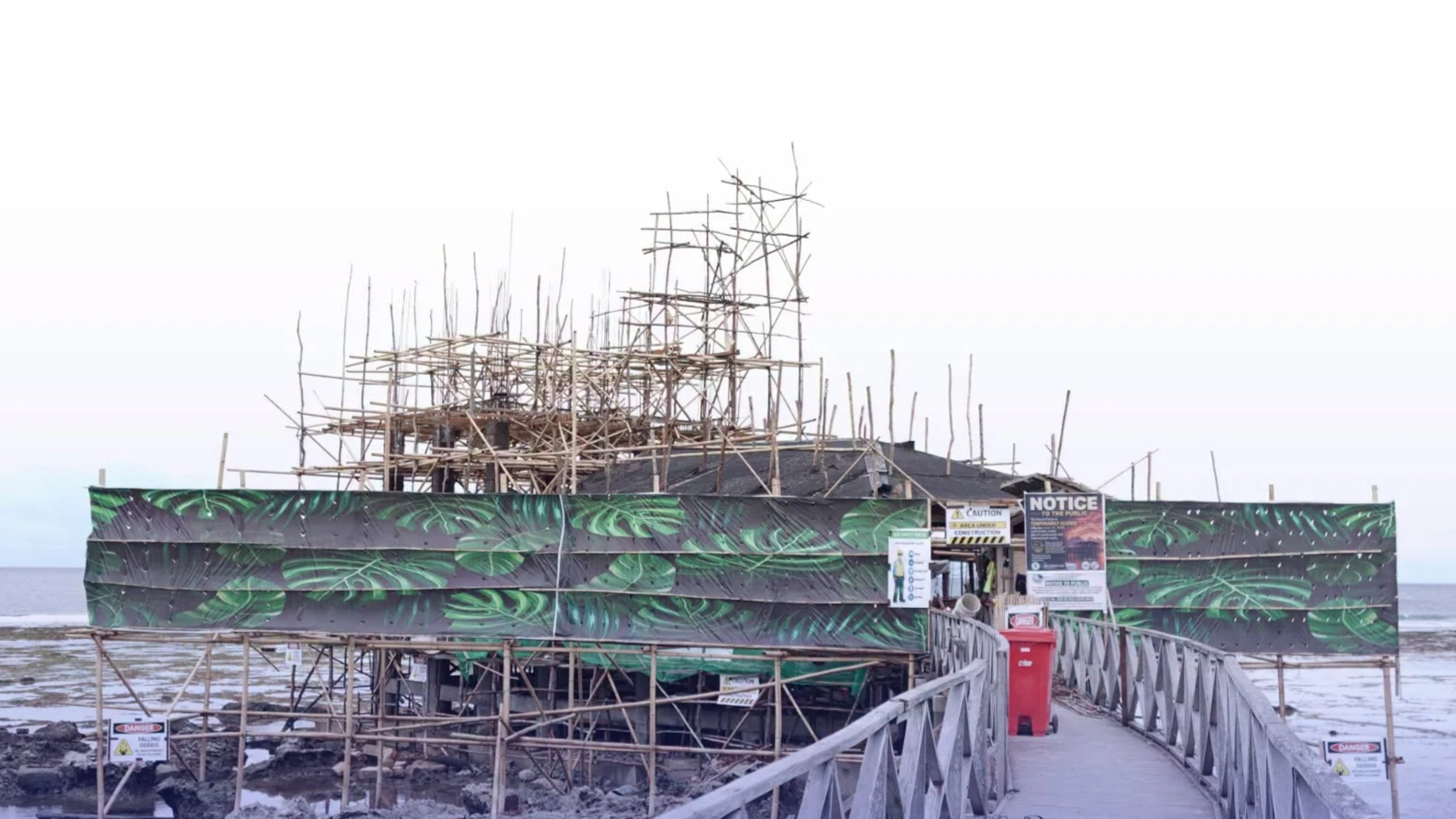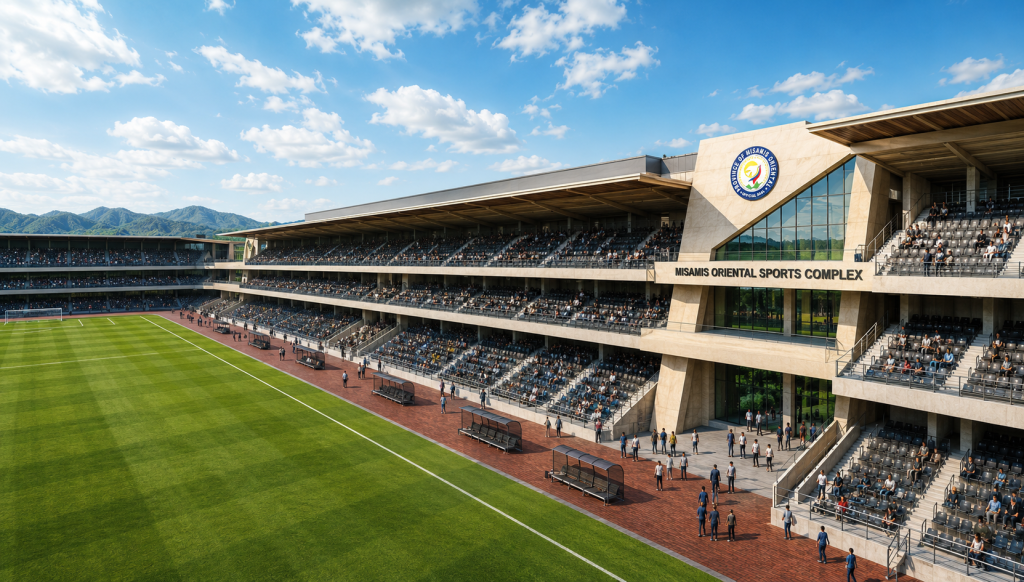
CAGAYAN de Oro City government is in the hot seat again as the Department of the Interior and Local Government (DILG) asked it to explain or return P250 million in untouched infrastructure funds — a recurring issue that state auditors indicate is part of a broader, costly pattern of financial mismanagement.
The DILG’s recent ultimatum over a stalled two-phase multipurpose building comes on the heels of the Commission on Audit’s (COA) 2024 Annual Audit Report. Released late last year, the report flagged City Hall for “extremely low” utilization of critical development funds and a breach of loan conditions that cost taxpayers millions in avoidable penalties.
Transferred by the Department of Budget and Management (DBM) on May 6, 2024, the P250 million earmarked for the facility has sat idle in the city’s Trust Fund under the “Due to National Government Agencies” account.
You may also like: Unfinished health center in Oro draws national scrutiny
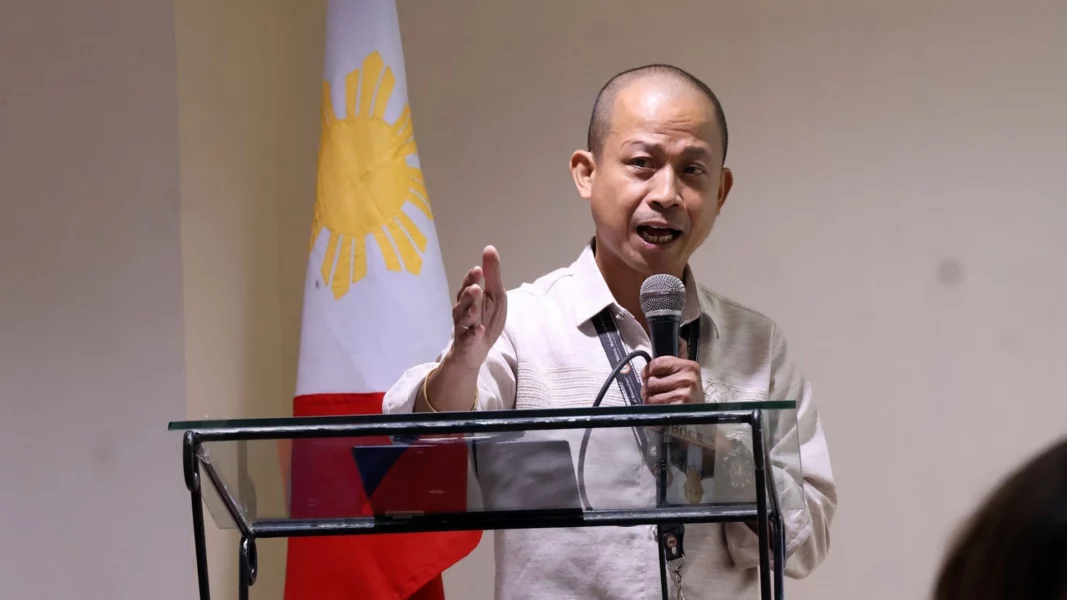
In a Feb. 24 letter obtained by Gold Star Daily, DILG-10 Director Bruce Colao issued a formal “Notice of Non-Implementation of FY 2024 Local Government Support Fund-Financial Assistance to Local Government Units (LGSF-FALGU) Projects” to Mayor Rolando Uy, specifically flagging the stagnation of Phase 1 (P150 million) and Phase 2 (P100 million) of the facility.
City Engineer Joel Momongan earlier attempted to justify the stalled construction in a Jan. 30 correspondence, citing the adoption of Presidential Directive No. PBBM-2025-1763 as the cause of the delay.
However, the DILG firmly rejected this reasoning, pointing to a stark lack of progress and missing foundational paperwork.
Colao warned that continued failure to secure basic requirements — like a Sanggunian endorsement, proof of no right-of-way issues, and an Environmental Compliance Certificate (ECC) — could result in the reversion of the funds.
“While we recognize the circumstances cited, it must be emphasized that, as of this date, the projects remain tagged as ‘not yet started’ in the DILG SubayBAYAN monitoring system, and the previously requested documentary requirements remain unsubmitted, ” Colao’s letter read in part.
Colao noted that the release of the Notice of Authority to Debit Account Issued (NADAI) over a year ago, on May 14, 2024, makes the continued delay a serious concern.
“Failure to comply with the foregoing requirements may affect the continued implementation of the project and may warrant appropriate action consistent with existing policies, including the possible reversion of funds,” the DILG communique warned, citing DBM Local Budget Circular No. 155.
Colao also sent other "Notice of Delayed Compliance and Requests for Immediate Action — LGSF-FALGU FY 2024 Projects" to the Office of the City Mayor. Gold Star Daily obtained digital copies dated May 30, 2025 and June 9 of the same year.
Simultaneously, state auditors have stepped in to enforce government fund maximization by invoking COA Circular No. 94-013, Paragraph 4.9, which requires unused balances to be returned to source agencies. COA has formally recommended that the City Accounting Department remit the untouched P250 million back to the DBM or the Bureau of the Treasury.
Gold Star Daily emailed requests for comment to the Mayor's Office and key departments, as officials are off duty today due to City Hall's compressed four-day workweek. They have yet to respond.
A systemic trend of idle funds
The DILG’s pushback mirrors wider systemic issues uncovered by COA in its 2024 audit. State auditors recently called out the city for its dismal 4.47-percent disbursement rate of its 20% Development Fund.
Of the P500.14 million allocated for essential infrastructure and socio-economic projects last year, the city spent only P22.33 million.
COA noted that this “extremely low disbursement rate” severely limits the delivery of essential services and prevents the community from benefiting from planned improvements.
Similarly, the city’s Local Disaster Risk Reduction and Management Fund (LDRRMF) posted a mere 23.87-percent utilization rate, leaving P370.75 million untouched.
Auditors also discovered an unused balance of P8.5 million in disaster funds dating back to 2019 that had not been reverted to the General Fund, violating the mandatory five-year reversion rule under Republic Act No. 10121.
Unnecessary expenditures and administrative breakdowns
Adding to the scrutiny over unspent funds are costly administrative lapses. The 2024 audit flagged a staggering 171.82-percent spike in interest expenses on a P1-billion Covid-19 response loan executed in 2021.
Although former Mayor Oscar Moreno's administration initiated the loan, institutional continuity binds the Uy administration to its terms. This principle ensures that the city’s corporate obligations transcend changes in leadership.
In 2023, the city paid P8.2 million in interest. In 2024, the payment ballooned to P22.3 million.
Auditors attributed this P14-million penalty to the city’s failure to maintain the required deposit balance ratio stipulated in the loan agreement. The breach of covenant triggered a penalty clause that removed the city’s preferential 2.85-percent interest rate, pushing it as high as 7.11 percent.
COA classified the massive penalty as an “unnecessary expenditure” that “could not pass the test of prudence,” citing COA Circular No. 2012-003.
State auditors discovered basic administrative breakdowns alongside these financial red flags, revealing that the city failed to remit employee benefits and stored vital public documents in sacks exposed to the elements.
With the DILG threatening to pull the P250-million facility fund and COA demanding the reversion of unused balances, the city government is now racing to justify its financial management to national agencies.