THE world’s push for green energy — electric vehicles and solar batteries — rests heavily on Philippine soil.
As the world’s top exporter of raw nickel ore, the Philippines has become essential to the global energy transition.
Yet, a new investigative study reveals that this lucrative boom, concentrated in the Caraga Region of Mindanao, is being built upon a foundation of environmental ruin, systemic rights abuses, and deadly threats against local defenders.
The 106-page report, “Broken Promises,” published by Climate Rights International (CRI) on November 4, meticulously documents how nickel mining operations are not only destroying the livelihoods of coastal and farming communities while deepening the Philippines’ vulnerability to the climate crisis.
The paradox of green energy’s local cost
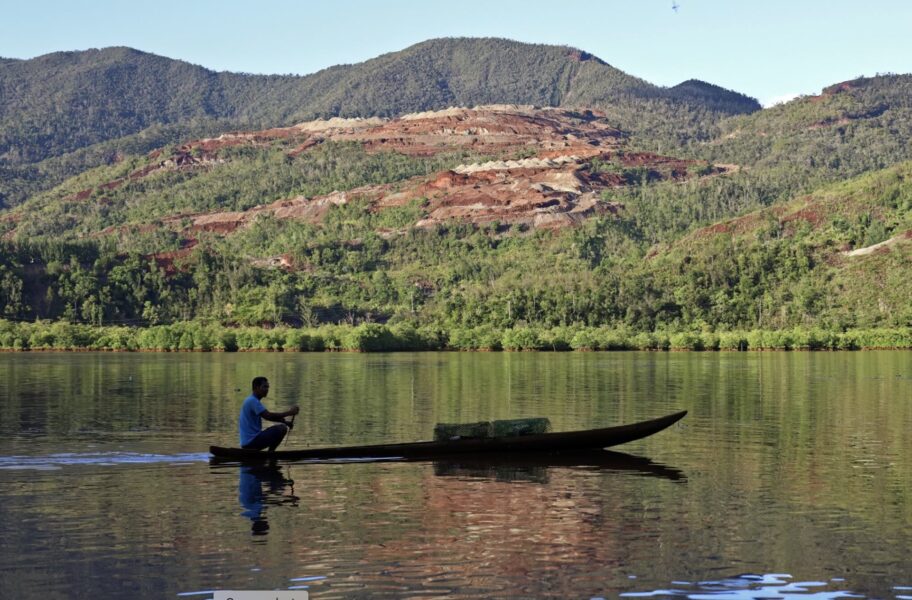
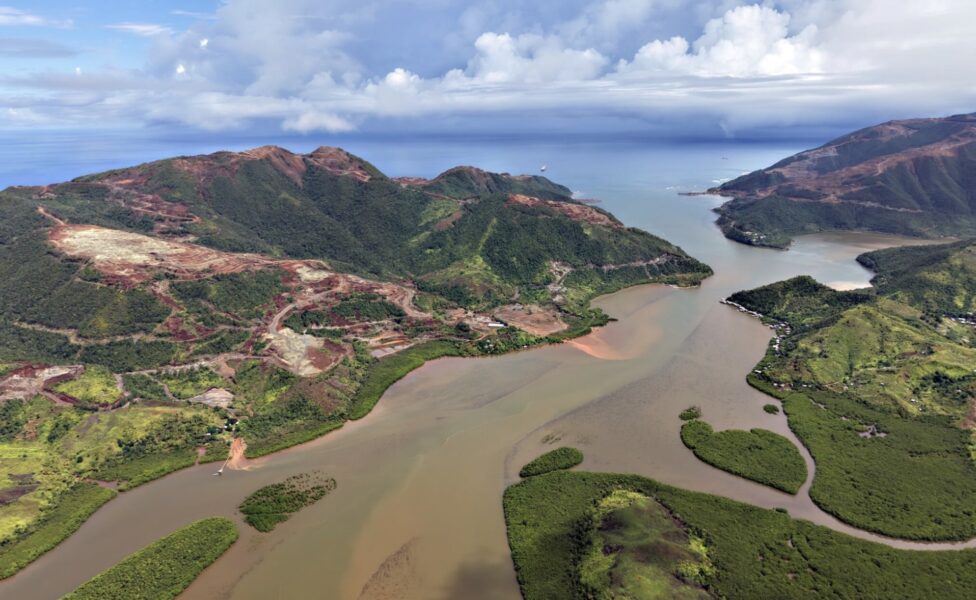
For communities dependent on the land and sea in Surigao del Sur and Dinagat Island, the cost of the global shift away from fossil fuels is existential.
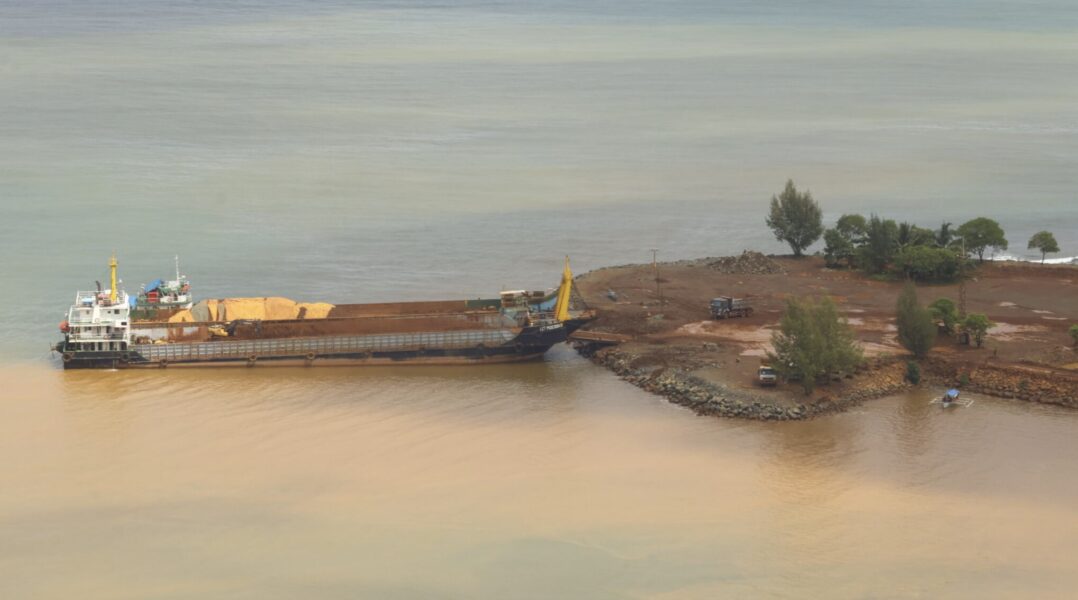
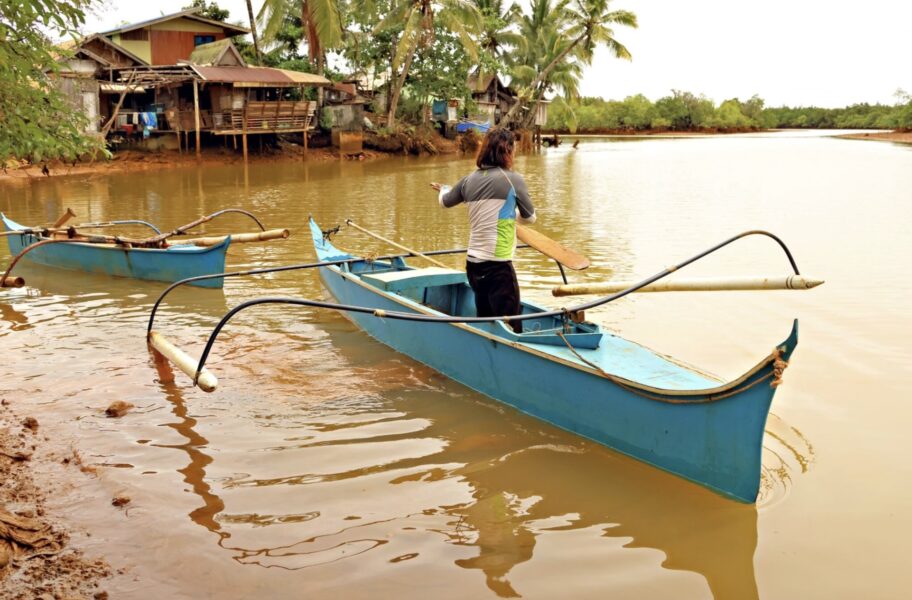
Pollution from mining runoff, siltation, and deforestation has devastated near-shore fishing grounds, forcing local fishermen to risk their lives farther out to sea.
Crisologo Anino, a 75-year-old fisherman from Ayoki Island, lamented the irreversible change to his livelihood.
“The seas are now more dangerous and rougher than before. I guess maybe it’s climate change. We could compensate for rough weather because we could just fish nearby. Mining impacts us hard because we have to go farther out [because of the pollution]. It’s much harder now,” Anino told CRI.
The contamination has had a direct and immediate impact on the most fundamental of human needs: food security.
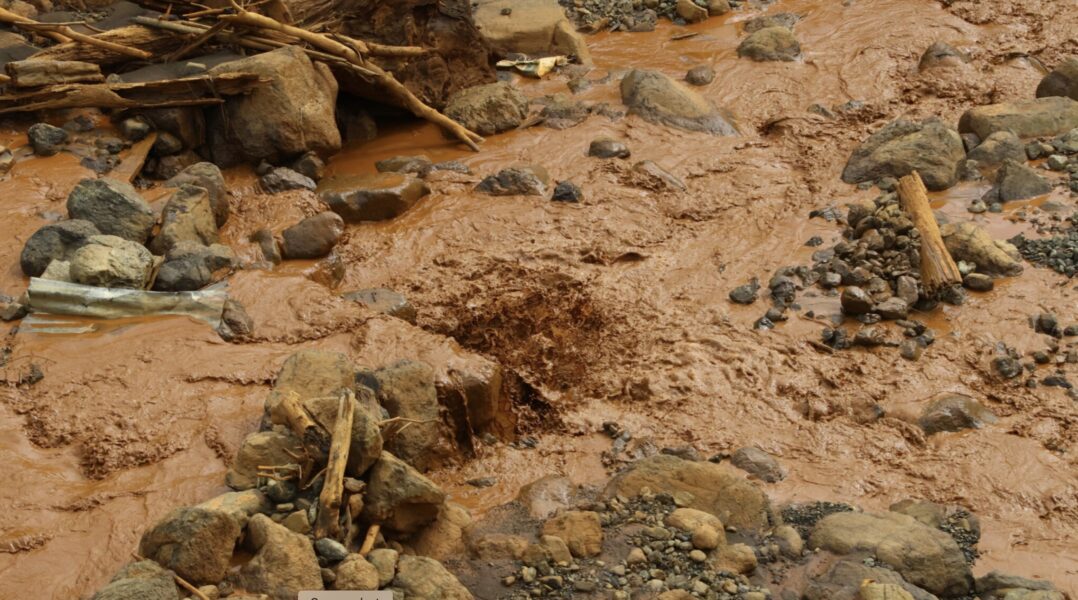
Farmer Analiza, a 46-year-old mother of four from Tubajon, Dinagat Island, described the daily struggle after upstream mining mud ruined her rice fields.
“It is now hard to feed my family. We are hungry most of the time,” she revealed.
Mavic Hilario, a Conservation Specialist with Dinagat Communities for Conservation (C4C), articulated the tragic paradox facing these resource-rich areas.
“Some argue that mining helps with employment, but in reality it destroys fishing grounds, agricultural land, and water sources, the very things that sustain these communities long-term,” Hilario said.
Mining’s role in climate catastrophe
The CRI investigation found that poor waste management by nickel companies and resulting deforestation are turning already vulnerable communities into disaster zones.
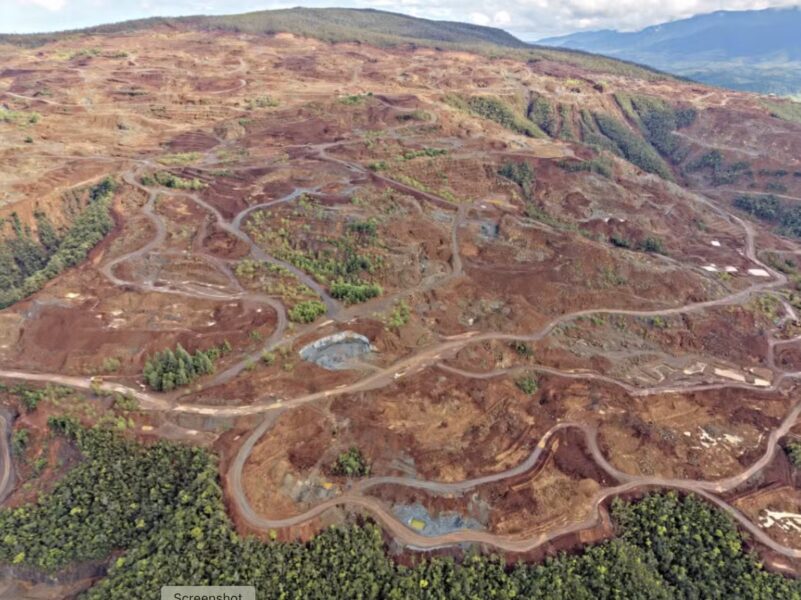
Deforestation caused by surface mining eliminates natural buffers — like mangrove forests and terrestrial forests — that provide protection against storm surges and high winds.
Residents in the wake of Super Typhoon Odette (2021) and Tropical Depression Vicky (2020) reported that mining failures drastically worsened the floods.
In Barangay Babuyan, Carrascal, locals claim a serious 2018 flood was made worse when a mining company’s settling ponds burst.
‘Mark,’ a former private security guard for Marcventures Mining and Development Corp. (MMDC) in the area, detailed a disturbing practice following the disaster.
“All of us security were asked to block the road for a media blackout,” he told investigators, explaining that he was instructed to prevent anyone, including journalists and victims’ families, from entering the disaster area for over a month. MMDC has denied the report, calling it “fake news.”
Political ties, corporate impunity
The report identifies several key nickel mining companies operating in the Caraga Region — including San Roque Metals Inc. (SRMI), Oriental Vision Mining Philippines Corp. (OVMPC), Libjo Mining Corp. (LMC), and Marcventures Mining and Development Corp. (MMDC) — noting that many have deep financial and political ties to powerful Philippine actors, including active and former politicians.
This close connection, the study alleges, directly enables a culture of impunity where environmental laws are routinely violated and government oversight is deliberately weak.
Residents repeatedly accused the Department of Environment and Natural Resources (DENR) and the Mines and Geosciences Bureau (MGB) of failing to enforce regulations.
One former worker in Loreto, Dinagat Island, alleged that inspections were easily circumvented: “The Chinese [boss] told me when MGB inspection comes, we’ll just pay them off no problem. We heard rumors that MGB, the mayor, and others are taking bribes.”
Companies are routinely accused of failing to honor promised compensation.
Farmer Wenefredo, 70, from Dinagat Island, whose ancestral farmlands are now a nickel ore stockpile, said the new operator, SRMI, refused to honor the previous company’s rental agreement.
“SRMI hasn’t paid anything… They said we won’t pay rent. Until now, I’m still paying the tax declaration [for the land used by SRMI], so I’m losing my livelihood and more,” Wenefredo said.
The lack of accountability has emboldened violence.
‘Kill one, terrorize them all’: The war on defenders
The Philippines is consistently ranked as the most dangerous country in Asia for environmental defenders. The CRI report documents that those who speak out against the powerful mining interests face red-tagging, legal harassment, and death threats.
Father Raymond Ambray, an Ecology Ministry director in the Diocese of Tandag and a staunch anti-mining activist, described his personal experience with state-sponsored intimidation. After his activism, he was publicly labeled as a communist supporter.
“I considered myself dead already [when I was red-tagged]. There was no security in the parish. The best thing was to get myself ready for death,” Father Ambray confessed.
The violence culminated tragically on Sept. 22, 2024, when Alberto Cuartero, the barangay chairman of Puyat, Carmen, and an anti-mining advocate, was gunned down.
Multiple sources told CRI that Cuartero was scheduled to testify in a legal case regarding allegedly falsified mining documents just one week after his killing, suggesting a plausible link to the ongoing disputes over mineral exploitation.
The global accountability gap
While local communities bear the environmental and human cost, the nickel itself flows directly into the global supply chain, primarily feeding the booming electric vehicle and stainless steel markets. CRI, citing research from the corporate accountability firm Empower, documented that 92% of all Philippine nickel ore exports go to China.
This nickel is then processed and used by global EV and battery manufacturing companies.
The investigation concludes that the “just transition” touted by high-consuming nations — like the United States and the European Union — is profoundly unjust for the Filipinos who pay the true price.
The report urges the Philippine government to immediately suspend the permitting of new mines and hold companies accountable for violations of environmental and human rights laws.
It also calls on global EV and battery manufacturers to use their leverage to push suppliers to address harms, and increase transparency in their supply chains, ensuring the global need for green energy does not perpetuate human suffering and environmental destruction in the developing world.