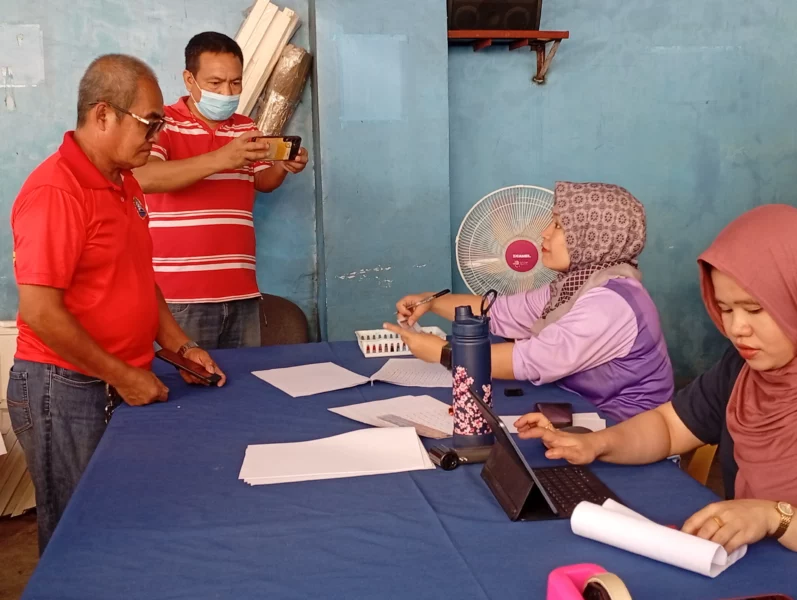
For many Filipino families, ayuda is the difference between having food on the table and going hungry.
Whether through cash assistance, food packs, or emergency aid, it provides immediate relief during disasters, unemployment, and other financial hardships.
But as the prices of rice, vegetables, and other basic goods continue to rise, many families are asking: Is ayuda still enough?
The United Nations defines food security as having regular access to enough safe and nutritious food for a healthy life.
This means that while ayuda helps families buy basic necessities, lasting food security also depends on stable jobs, reliable incomes, and social protection that can withstand inflation and other economic shocks.
The Philippine Statistics Authority (PSA) continues to track the country's progress toward Sustainable Development Goal 2: Zero Hunger, which seeks to end hunger and ensure everyone has access to safe and nutritious food.
Experts say government assistance remains essential, especially during emergencies, but its value quickly shrinks when food prices keep increasing.
A cash grant that once covered weeks of groceries may now last only a few days.
They say ayuda is most effective when combined with long-term solutions such as better employment opportunities, stronger livelihoods, and policies that help families cope with rising living costs.
For Filipino households, the challenge is no longer just receiving ayuda—it is ensuring they can afford enough food every day, even after the assistance runs out.