THE integration of artificial intelligence (AI) into education has ignited a regionwide debate, now reaching Northern Mindanao, particularly concerning academic honesty.
“The use of AI has become a hot topic in education, but it has also stirred controversy, especially on issues of academic integrity among students,” said Rene Timothy C. Malferrari Jr., a faculty member at Bukidnon State University.
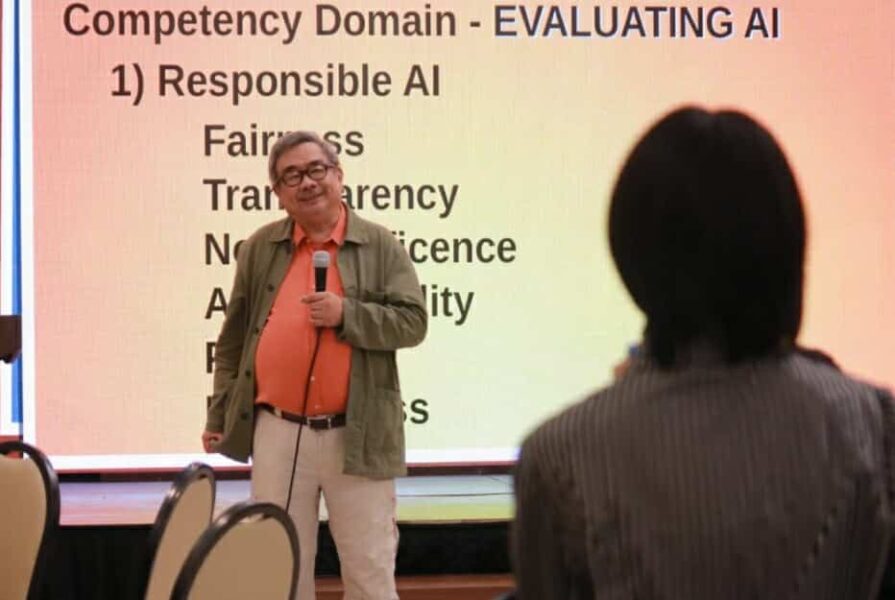
The Department of Information and Communications Technology (DICT) in Northern Mindanao recently held a public consultation to gather input on the draft National ICT Competency Standards (NICS) for AI Literacy.
“The reality is that AI is a program or software created by a business entity, which often requires payment for its use — an exchange that students and teachers are frequently unaware of,” Malferrari added.
He explained that AI functions like a search engine, with bots generating responses, producing images, and providing formulas and equations that can assist students.
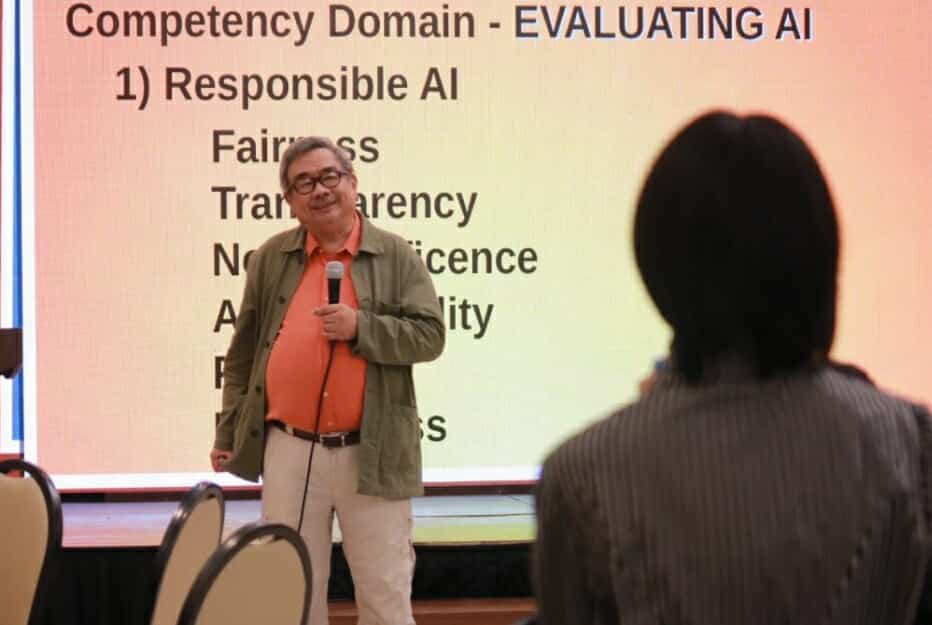
The event, organized by the ICT Literacy and Competency Development Bureau, convened representatives from government agencies, educational institutions, and private organizations last week. Its primary goal was to develop a framework to guide AI education and literacy nationwide.
However, understanding AI prompts and operations presents new challenges, according to Malferrari.
“Even though Google Classroom has AI features to detect plagiarism, the country still needs a robust ICT industry — both hardware and software — and a reliable system of databases and mainframes to fully adopt digitization,” he said.
Malferrari explained that this infrastructure is essential for advancing e-governance and e-commerce.
During the consultation, DICT Regional Director Sittie Rahma V. Alawi emphasized the importance of stakeholder participation.
“This is an opportunity for open discussion on AI literacy. We aim to create standards that address the needs of our communities,” she said.
The draft NICS-AI outlines eight core competencies categorized into four key areas: understanding AI, recognizing its applications and limitations, evaluating AI tools and risks, and promoting responsible AI governance.
Officials explained that these standards are designed to help Filipinos understand and use AI tools across various aspects of life, including employment, education, and public services. They said that AI literacy is becoming increasingly vital as the technology integrates into sectors such as healthcare and disaster response.
Officials noted that public feedback will be reviewed and incorporated into the final standards to ensure their relevance and effectiveness.
Jimmicio S. Daoaten, Director of the ICT Literacy Bureau, emphasized, “Stakeholder insights are crucial in shaping standards that truly address our community needs.”
This initiative is part of the government’s broader effort to promote digital inclusion and the responsible use of emerging technologies across the country.