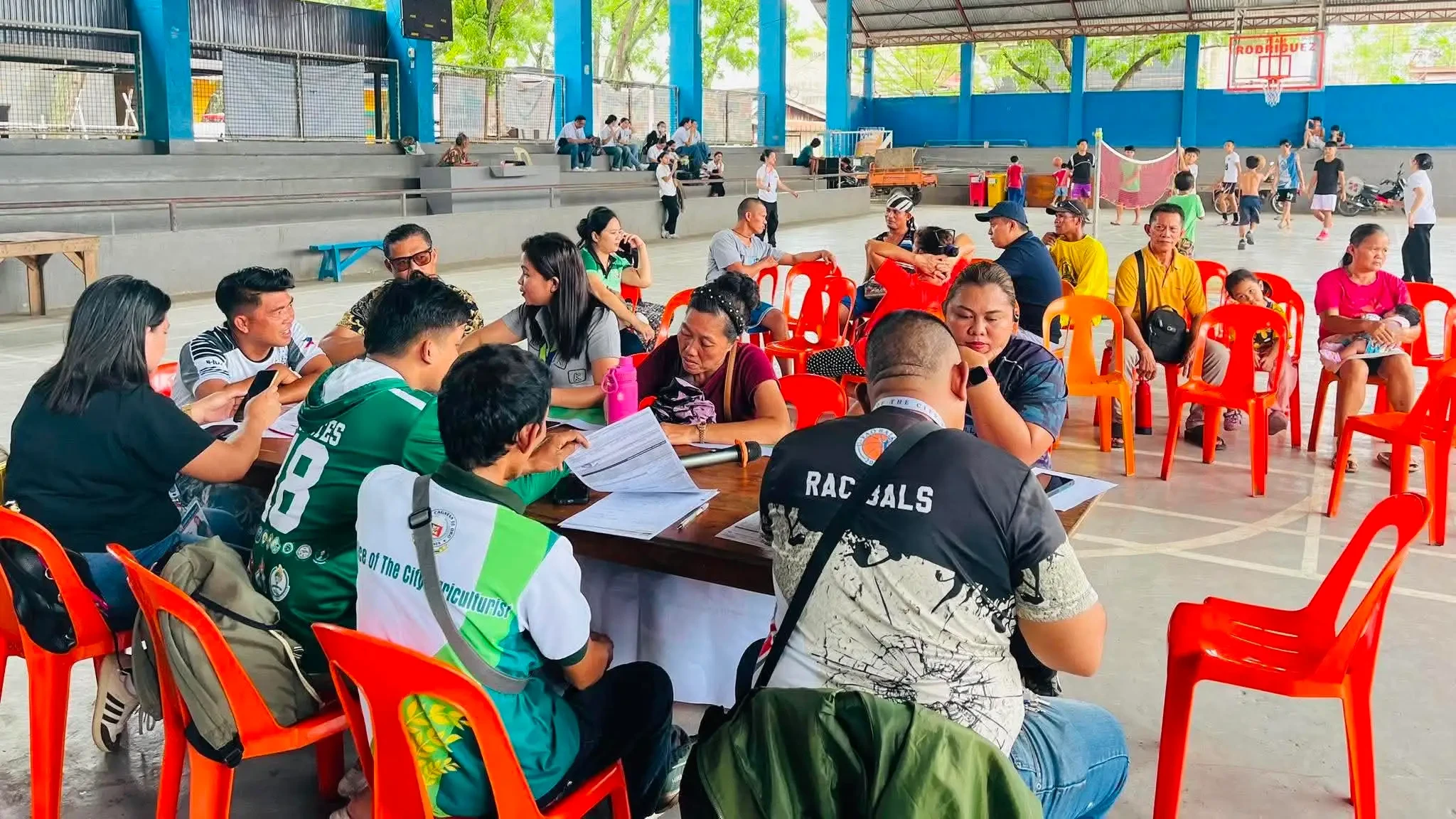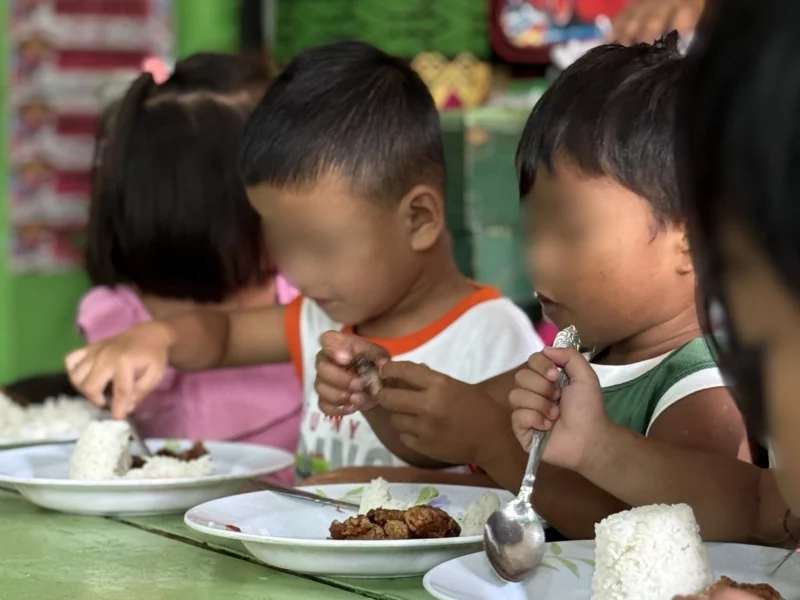
CAGAYAN DE ORO CITY — The Department of Social Welfare and Development (DSWD-10) has successfully rehabilitated 91.13% of monitored malnourished children across Northern Mindanao through its 2025 Supplementary Feeding Program (SFP).
Data from the regional field office shows that out of 4,926 children initially identified as underweight or severely underweight, 4,489 achieved significant nutritional recovery after completing a strict 120-day feeding cycle.
The program covered a total of 153,514 children aged two to five years old (77,182 boys and 76,332 girls) enrolled in community child development centers and supervised neighborhood play sites across the region.
Key Health Metrics Improved
Beyond addressing low weight, the multi-month intervention registered major drops across other critical indicators of childhood malnutrition:
Wasting (Acute Malnutrition): Severe wasting and wasting cases dropped by 72.5%, moving 2,241 children into the normal weight-for-height bracket.
Stunting (Chronic Malnutrition): Cases of stunting and severe stunting—which permanently impact physical and cognitive development—declined by 55.24%, helping children reach normal height-for-age standards.
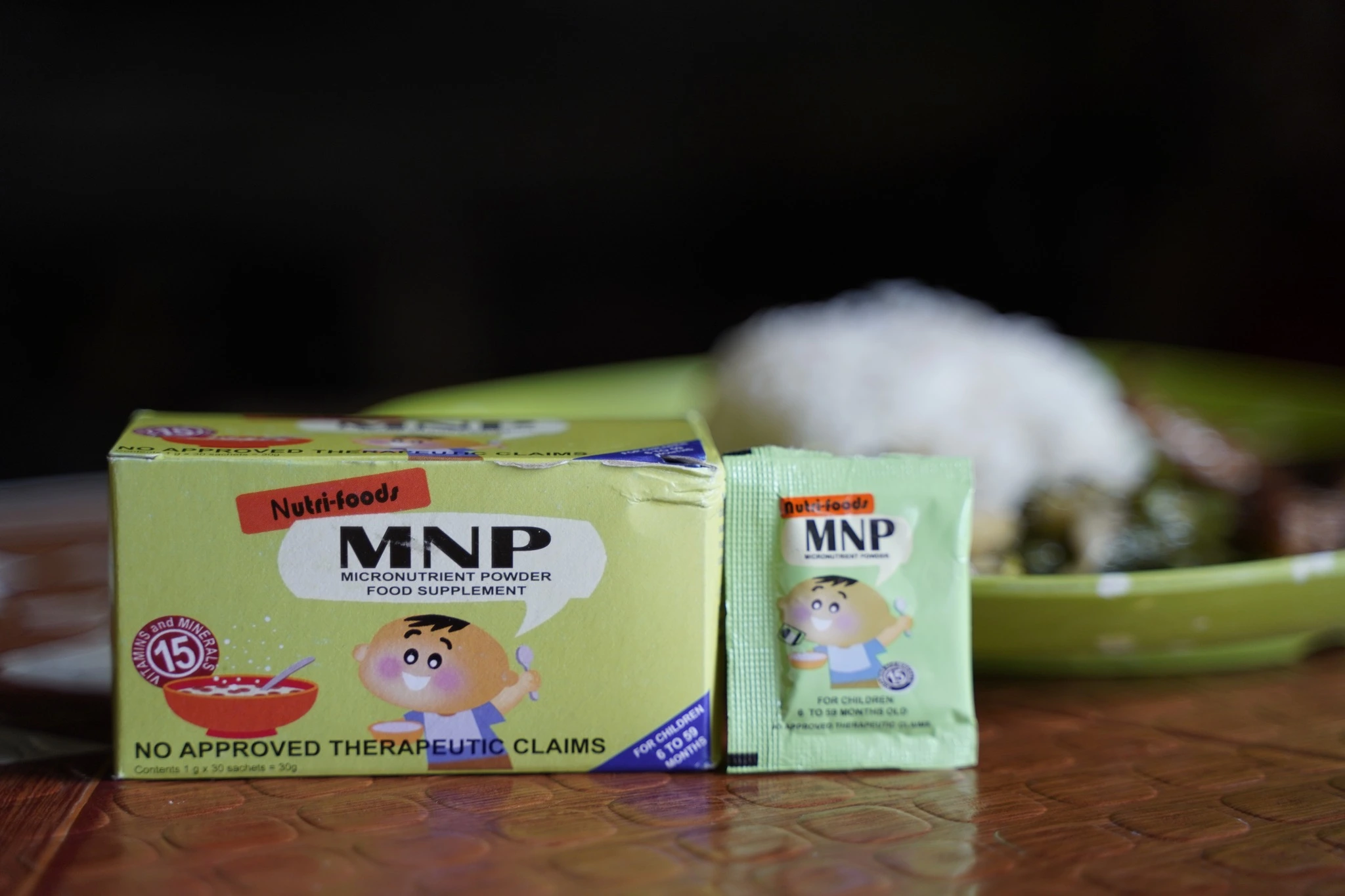
To reinforce these gains, DSWD-10 integrated targeted health supplements into the daily meal schedule. The agency distributed Micronutrient Powder (MNP) to 8,450 beneficiaries to fight vitamin deficiencies, while 742 children from previous program cycles received specialized Nutricookies to sustain their progress.
LGU Turnover for Continuous Tracking
For the remaining 9% of children who did not hit optimal growth targets during the 120-day cycle, DSWD-10 has turned over tracking to local chief executives. These children have been formally referred to their respective Local Government Units (LGUs) for localized health assessments, sustained daily monitoring, and targeted municipal nutrition services.
Ms. Juvy Anne P. Tagacanao, the SFP regional focal person, credited the high success rate to synchronized operations between provincial actors, grassroots health personnel, and local communities.
"With over 91 percent of identified malnourished children showing improvement after the 120-day feeding intervention, the CY 2025 Supplementary Feeding Program demonstrates the strong impact of coordinated efforts among LGUs, Child Development Workers, and parents in improving child nutrition outcomes," Tagacanao stated.
Moving forward, DSWD-10 aims to leverage these metrics to strengthen existing community-driven partnerships, lower the entry rate of malnourished children, and protect the long-term human capital of Northern Mindanao.